Pressure and security
Blast-resistant and ventingBullet-resistant and high securityShelter, detention and special careShielding and environment
Radiation and medical shieldingRF and EMI shieldingFlood and watertightAirtight and cleanroomAcousticFire and sector
Fire-rated and multi-performanceData center and cabinetMarine and offshoreTransport and infrastructureIndustrial and service
Industrial and automatedOversized engineeredCompanion systemsRetrofit and restoration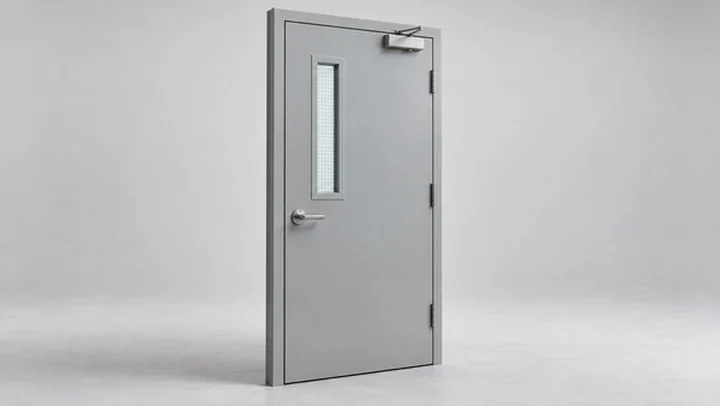
Single leaf 90 minutes, double leaf 60 minutes, also CE marked and Certifire certified for export projects.
See fire-rated doorsAll products, with filtersInfrastructure and buildings
Data centers and AI computeRail and tunnelsMarine, offshore and portsAirportsBanking
X-ray, CT, MRI RF, airtight theater and fire doors on one submittal set, one ID per door.
See healthcare doors
How to read what a certificate, listing or test report actually proves.
Read the guideEnvironments and sectors
Controlled environmentsFlood, marine and infrastructureIndustrial and critical facilities
Engineering guides on sourcing, test evidence and every specialty door type, written by YK engineers.
Browse all articlesBlast and Security Door Guides: Blast, Venting, Ballistic and Shelter Doors
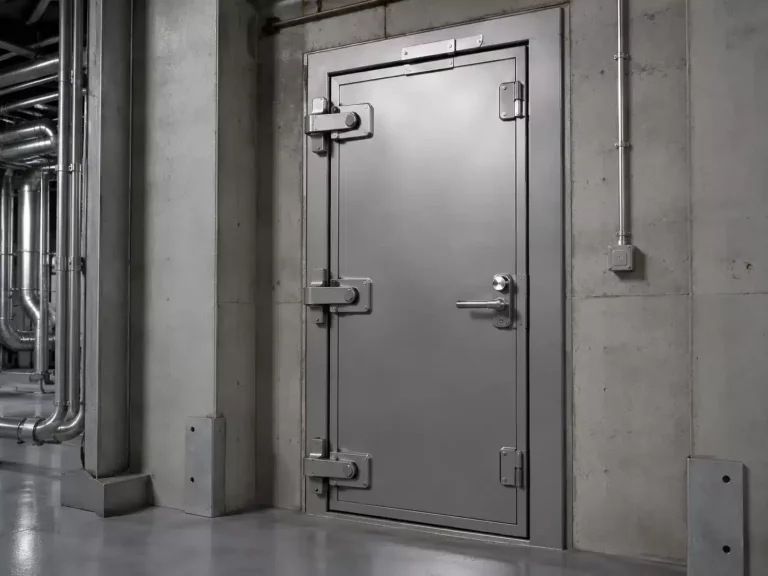
Blast, explosion and ballistic threats each call for a different kind of door. This section helps process safety engineers, security consultants and facility owners match the hazard to the right protection: blast-resistant doors rated to a pressure and duration, explosion-venting doors that open to relieve pressure, explosion-proof equipment for hazardous areas, bullet-resistant and forced-entry rated doors, and storm shelter doors. Each guide explains the governing standards, the test evidence to ask for, and the hardware, anchorage and glazing details that decide real-world performance.
 Blast and Security
Start with the blast and security cornerstone guides
Each cornerstone guide covers the whole topic end to end. The articles in its series go deeper into one question each.
Cornerstone guideBlast-Resistant, Explosion-Venting or Explosion-Proof? Choosing the Right Door for the Hazard
- Written for
- Process safety engineer or EPC buyer for a refinery, chemical, LNG or battery facility.
- The question it answers
- Which of these three very different door types does my hazard actually need?
Bullet-Resistant, Forced-Entry and Storm Shelter Doors: Matching the Threat to the Rating
- Written for
- Security consultant, bank/government facility buyer or shelter designer.
- The question it answers
- Which rating system answers my threat, and what does each level really stop?
All blast and security articles
Bullet-Resistant, Forced-Entry and Storm Shelter Doors: Matching the Threat to the Rating
Compare security door rating levels for ballistic, forced-entry and storm threats. Match UL 752, EN 1627 and ICC 500 evidence to your door schedule.
Read article 23 min readBlast-Resistant, Explosion-Venting or Explosion-Proof? Choosing the Right Door for the Hazard
Compare blast-resistant, explosion-venting and containment doors. Match hazard loads, opening behavior and project evidence before requesting a quote.
Read article 22 min read