
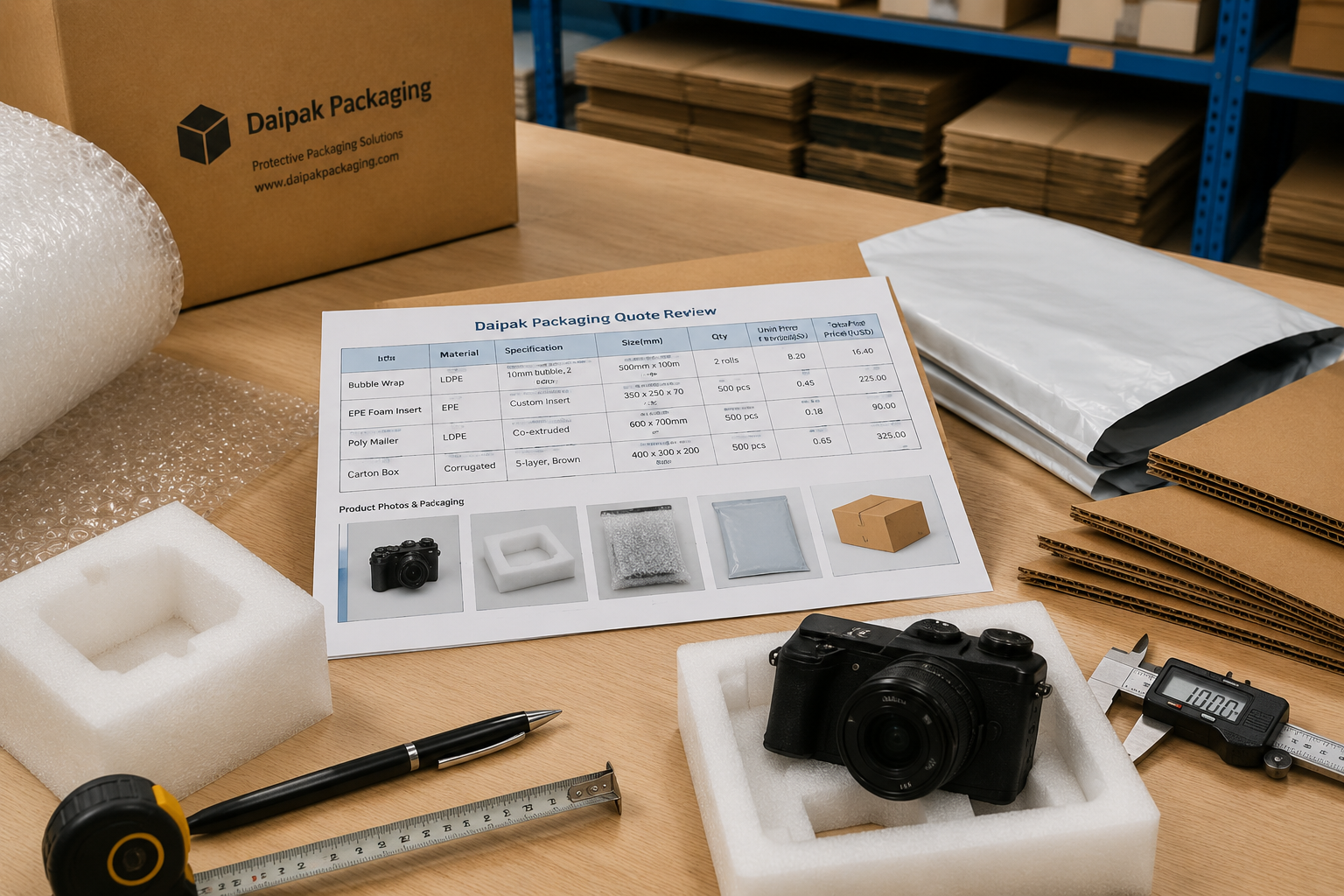
How to Get an Accurate Packaging Quote from a China Packaging Supplier
Best for buyers preparing dimensions, material choices, quantities, print files, sample needs, and delivery terms before asking Daipak for a packaging quotation.
Daipak Resources
Daipak packaging guides help overseas buyers connect product risk, material choice, RFQ details, sample approval, and export packing before comparing unit prices.

Start With The Packaging Problem
Many packaging projects start with a familiar material name: bubble wrap, EPE foam, air column bags, poly mailers, or corrugated boxes. That is understandable, but it is not usually where the best decision begins. A product may look simple on a quotation sheet while its real packaging risk comes from weight, sharp edges, surface finish, carton stacking, warehouse handling, sea freight, or the way the final customer opens the parcel.
Daipak uses these packaging guides as a buyer-side decision path. First identify what can go wrong: scratches, crushing, puncture, movement inside the carton, moisture exposure, print damage, or failed warehouse receiving. Then choose the guide that matches the decision stage. Some buyers need material comparison. Some need a clearer RFQ. Some need a supplier check before paying a deposit. Others need to coordinate custom inserts, cartons, labels, and pallet packing as one export-ready packaging system.
The goal is not to read every article at once. The goal is to move from a general packaging question to a supplier conversation that is specific enough to quote, sample, produce, inspect, and ship.
| Decision stage | What the buyer is trying to control | Best guide direction |
|---|---|---|
| Product risk | Surface scratches, breakage, compression, loose movement, moisture, presentation damage. | Start with material and protection guides. |
| Protection function | Cushioning, void fill, surface protection, carton support, product separation. | Use comparison guides before choosing a material. |
| Custom requirement | Size, insert structure, printing, sample, tolerance, assembly speed. | Move to custom packaging guides. |
| Supplier capability | Factory scope, MOQ, lead time, quality process, sample communication, export support. | Read supplier sourcing guides. |
| Quote accuracy | Specification, quantity, packing method, sample terms, incoterms, destination. | Use quotation and quality guides. |
| Shipping readiness | Carton strength, palletizing, labels, warehouse handling, freight volume. | Read export and shipping guides. |
Buyer Decision Path
Start with core packaging guides, then move into related cluster articles by material, product type, quotation stage, custom structure, and export packing requirement.
Best for buyers preparing dimensions, material choices, quantities, print files, sample needs, and delivery terms before asking Daipak for a packaging quotation.
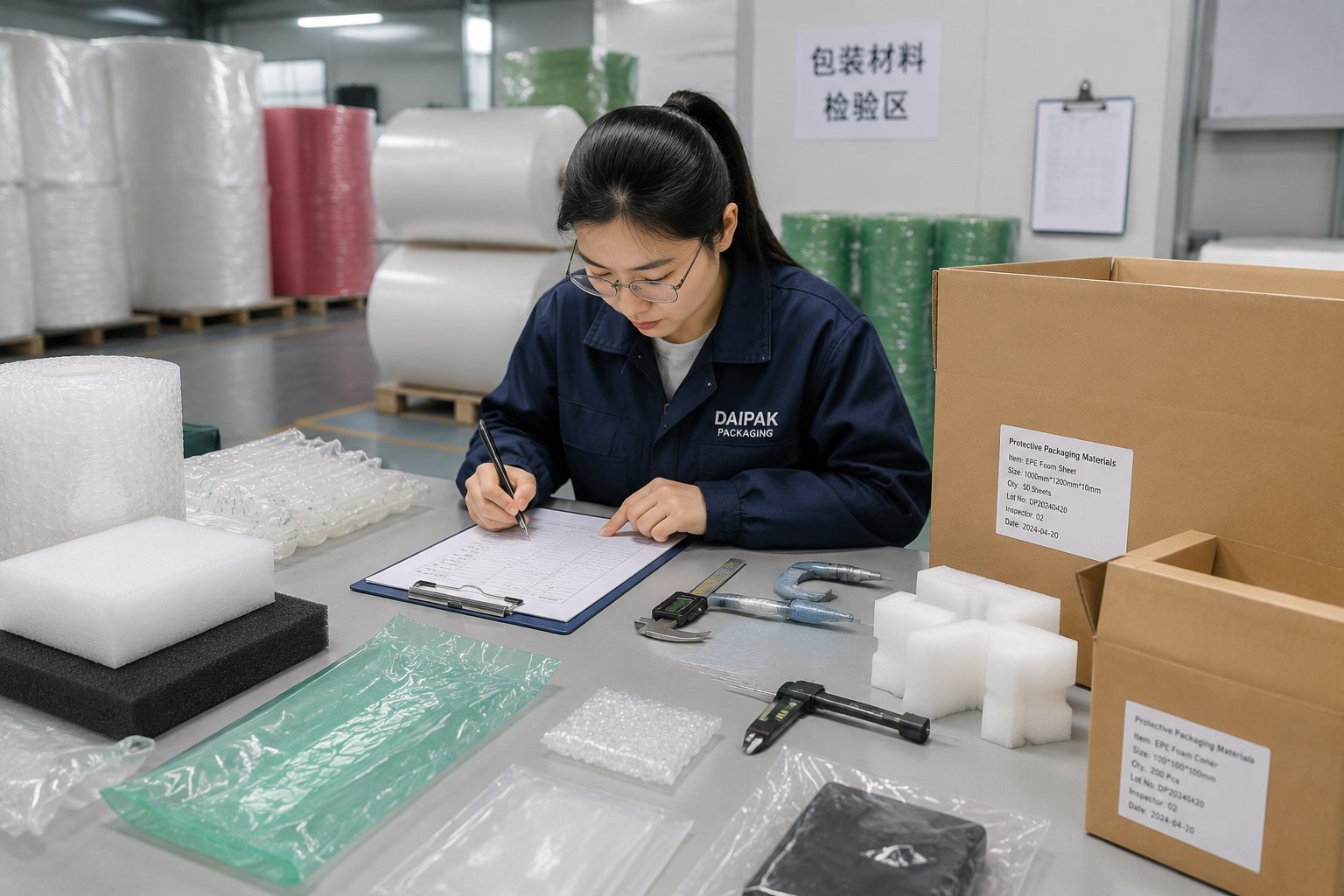
Use it to confirm specifications, approved samples, inspection points, carton checks, and shipment review before mass production.
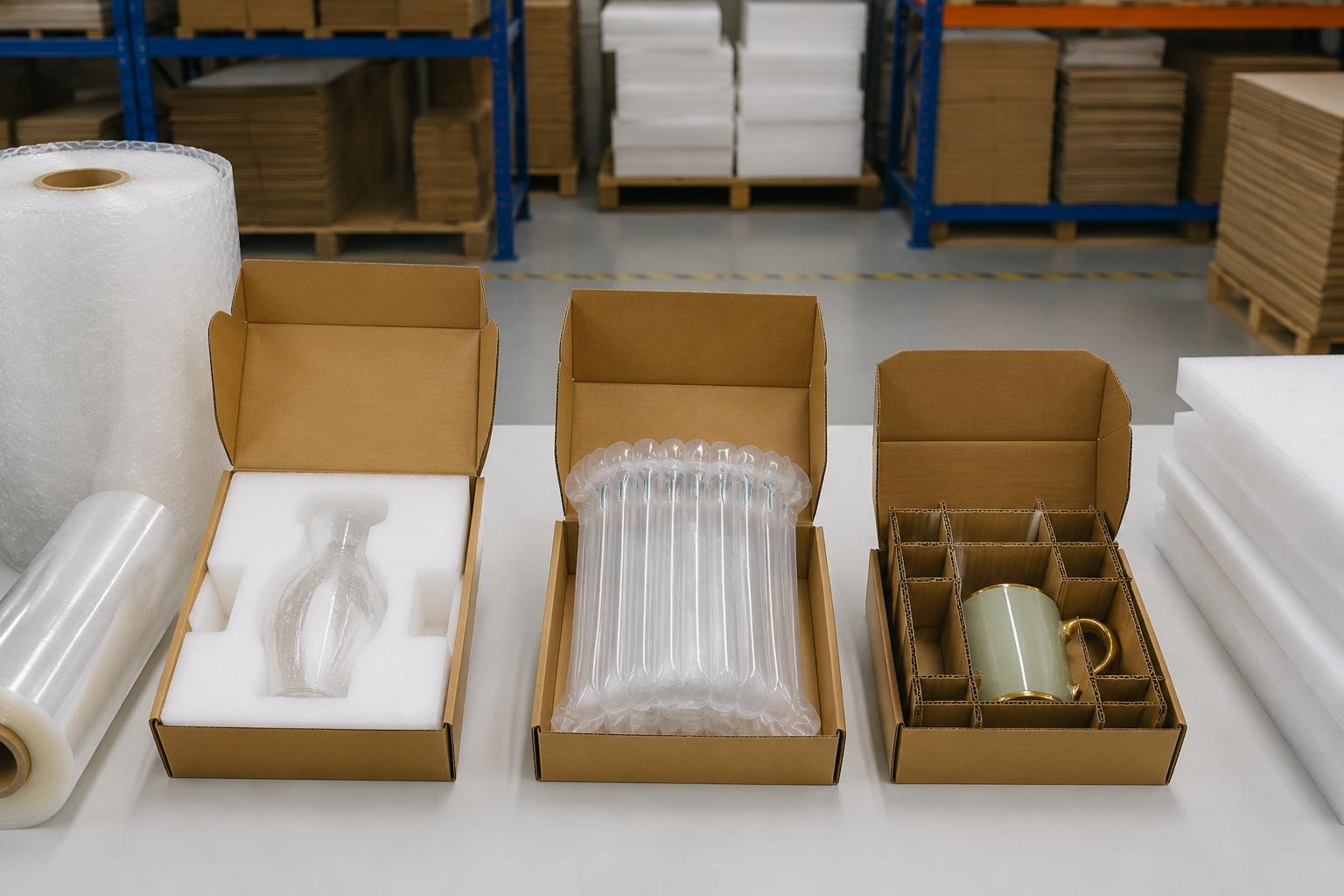
Compare fixed-position support, cushioning, carton strength, storage volume, and product-fit needs for fragile packaging projects.
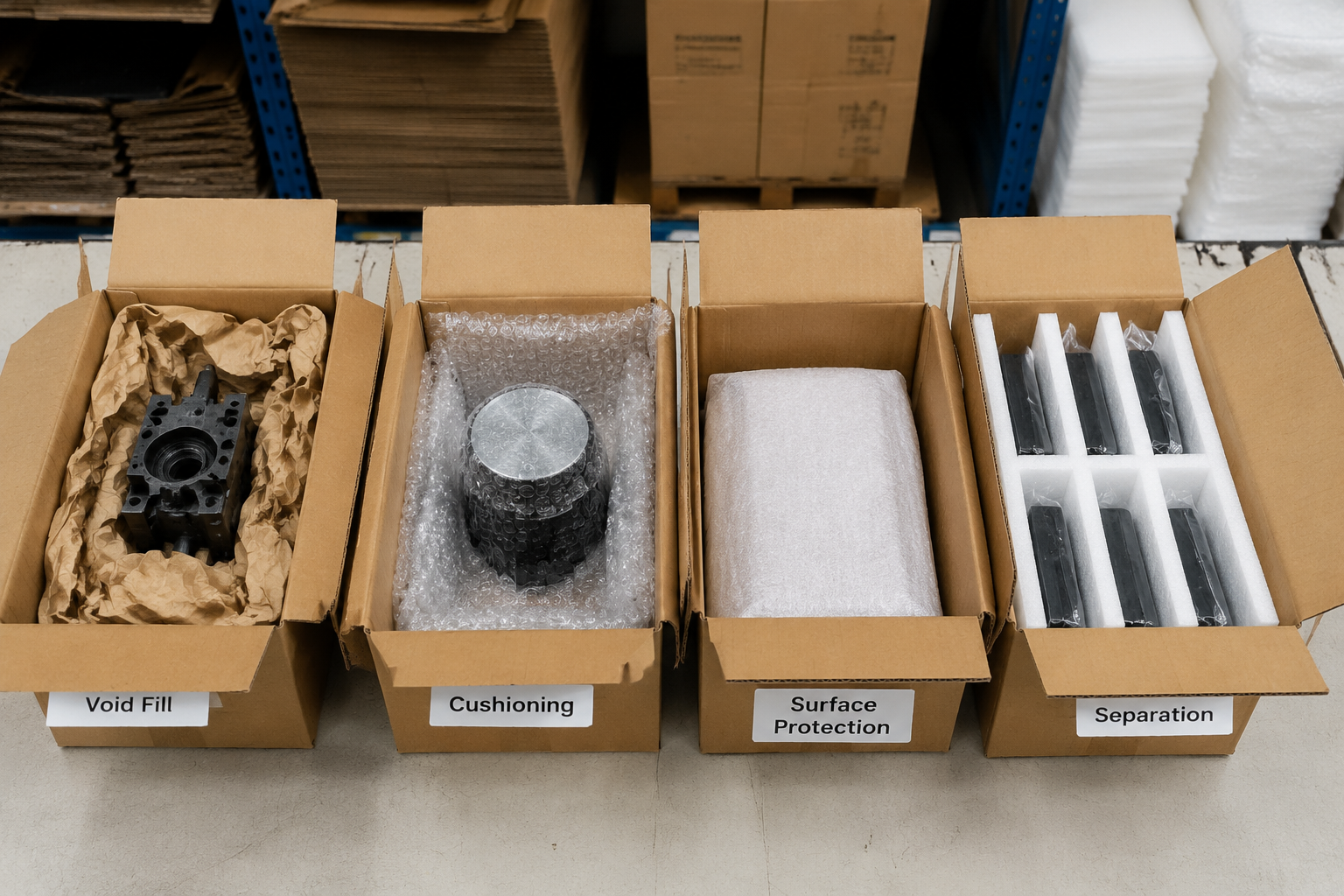
Clarify whether your packaging problem is carton space, impact risk, surface abrasion, or a combined protection requirement.
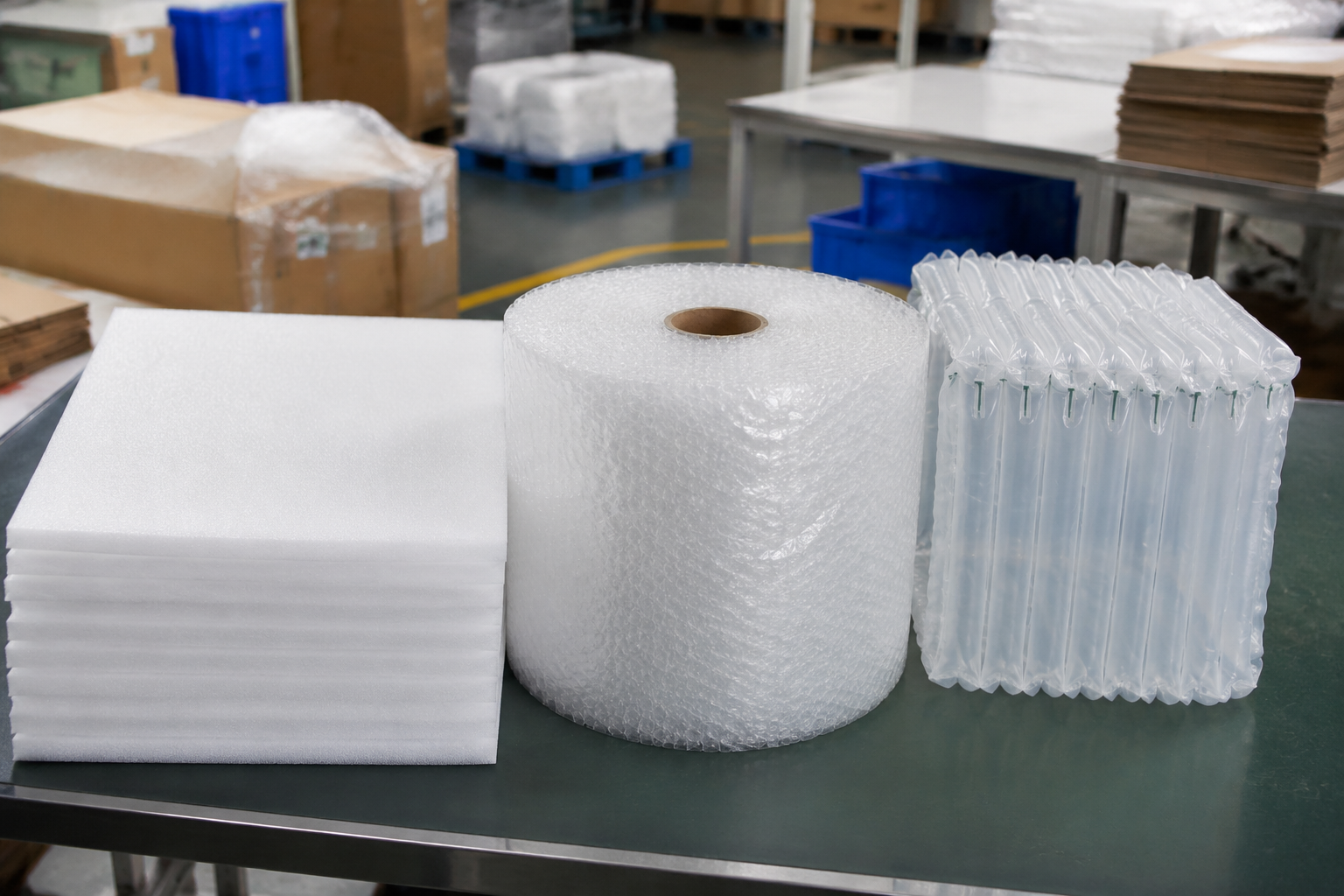
Compare protective materials by impact risk, packing speed, storage space, product shape, and export shipping conditions.
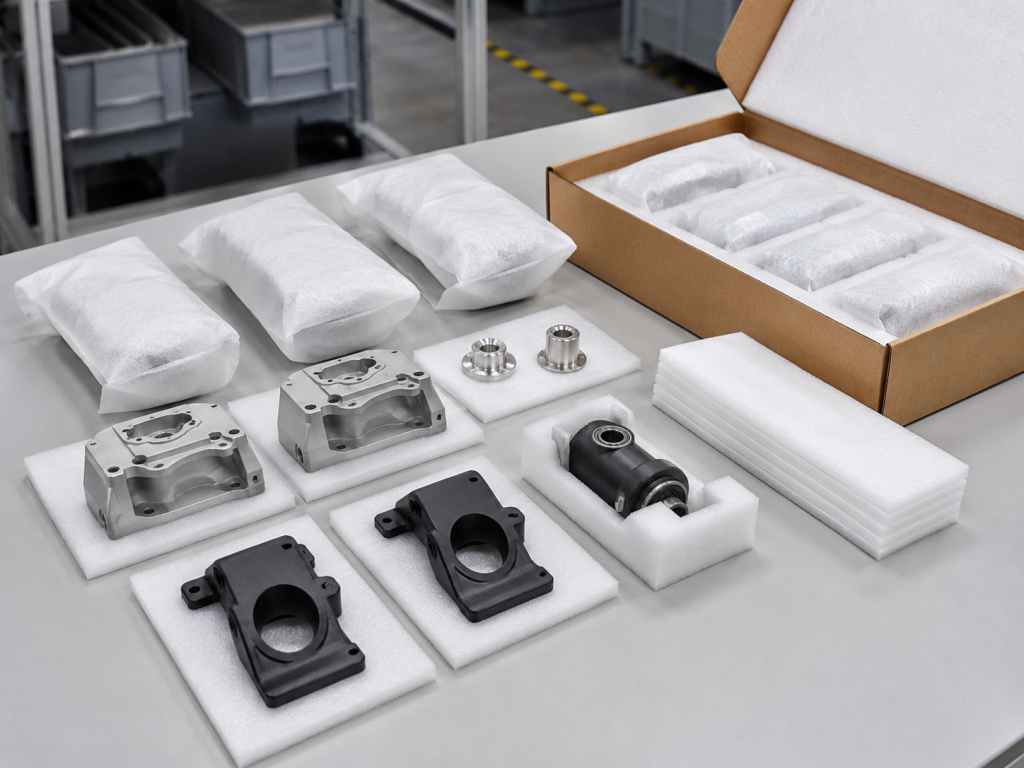
Plan packaging for hardware and industrial parts that need cushioning, surface protection, carton strength, and shipment review.
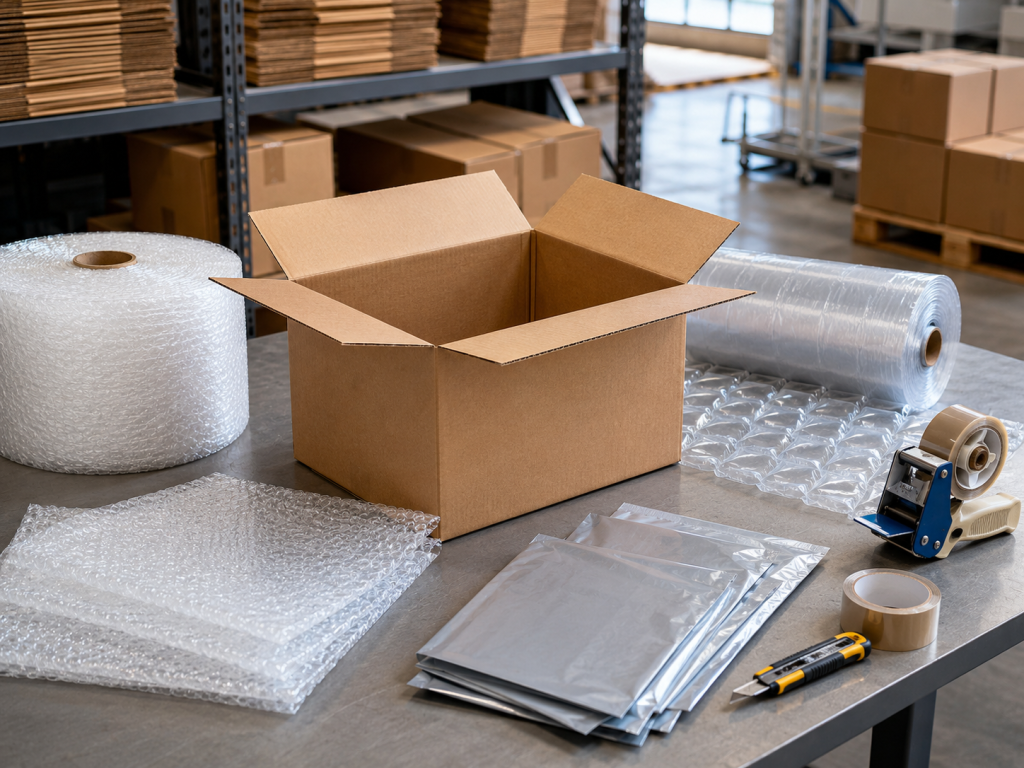
Improve carton void filling, packing efficiency, protection consistency, and warehouse-ready shipping preparation.

Compare poly mailers, protective wraps, carton filling, warehouse packing, and fulfillment delivery requirements.
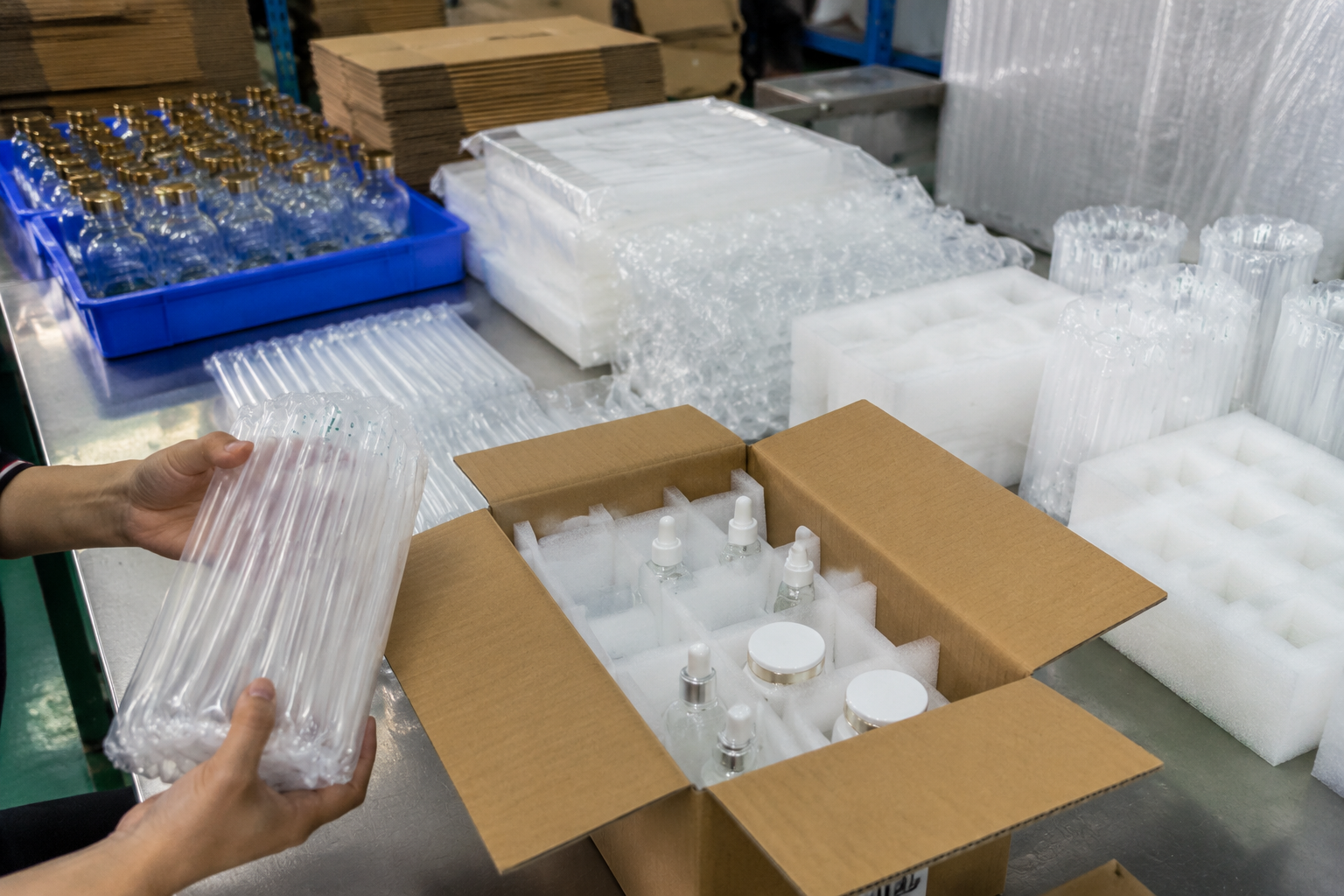
Review fragile points, finish protection, insert structure, carton strength, and packing layers as one project.
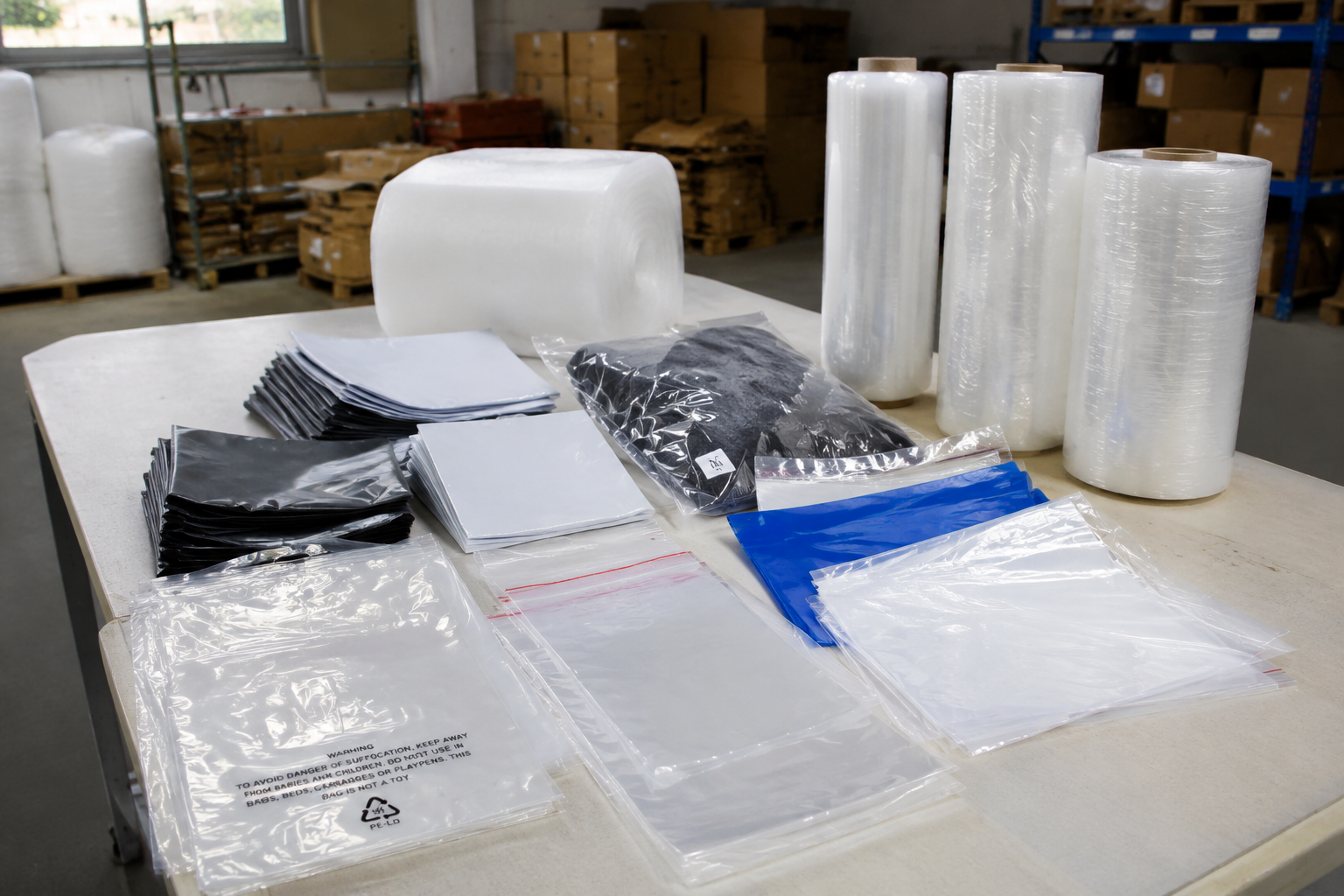
Plan common plastic bag and film packaging choices by product use, thickness, printing, and warehouse packing role.
Latest Articles
When new posts are published in the packaging guide categories below, they appear here automatically after publication. The core guide directory above remains fixed as the main buyer decision path.
Daipak Order Logic
Guides are most useful when they help buyers move from general material knowledge to a clear order brief. Daipak reviews product risk, material behavior, sample confirmation, and shipping preparation together.
The same product may need void filling, cushioning, surface wrapping, or fixed-position protection.
Start from the failure risk, not from a material name. The right packaging function narrows the material choice.
Prepare product weight, fragile points, surface finish, carton space, and shipping route.
EPE foam, bubble wrap, air column bags, plastic bags, and corrugated inserts behave differently in storage and packing.
Material comparison should include MOQ, packing speed, storage volume, unit cost, and export handling.
Prepare order quantity, target cost, packing method, storage limits, and delivery schedule.
Fragile, precision, glass, and electronics projects often need a custom insert or combined packaging structure.
Samples should check fit, assembly, appearance, protection, and repeatability in mass production.
Send product photos, drawings, sample request, tolerance needs, and approval criteria.
Export orders must satisfy carton strength, carton marks, pallet packing, SKU handling, and receiving rules.
Final packaging decisions should connect inner protection with outer carton and warehouse delivery needs.
Prepare carton mark rules, pallet requirements, SKU list, destination, and inspection checklist.
From Guide To Product Selection
The guides explain the buying logic, but the final decision still has to connect to real packaging materials, production limits, sample confirmation, and shipment handling.
For lightweight cushioning, bubble wrap and air cushion packaging can reduce movement and absorb impact in different ways. For surface protection and shaped cushioning, EPE foam rolls, sheets, bags, profiles, and custom inserts are often stronger choices. For ecommerce and apparel shipments, poly mailers, garment bags, clear poly bags, liners, and stretch film help balance packing speed, product presentation, and carton efficiency. For export packing, corrugated boxes, carton liners, dividers, stretch film, and pallet support become part of the same packaging decision.
This is why a packaging guide should not end at theory. A useful guide should lead to the next practical step: which product category to check, what specification to prepare, what sample to request, and what supplier question to ask before bulk production.
| Packaging need | Suitable product direction | Daipak product proof |
|---|---|---|
| Lightweight cushioning | Bubble wrap rolls, sheets, bags, air pillow film, air column bags. | Bubble Wrap & Air Cushion Packaging |
| Fragile item support | Air column packaging, custom inflatable packaging, EPE foam inserts, corrugated inserts. | Custom EPE Foam Inserts |
| Surface protection | EPE foam rolls, EPE sheets, foam bags, self-adhesive pouches, protective film layers. | EPE Foam Packaging |
| Ecommerce shipping | Poly mailers, ecommerce boxes, clear poly bags, retail cartons, carton void fill. | Poly Mailer Bags |
| Carton and pallet support | Corrugated cartons, carton liners, moving boxes, stretch film, pallet packing support. | Corrugated Boxes |
RFQ And Sample Preparation
Before contacting a packaging supplier, prepare the details that affect both price and performance. The first message does not need to be a perfect engineering file, but it should be specific enough to avoid guesswork. A supplier can quote faster and more accurately when the product risk, order quantity, sample requirement, and shipping route are visible from the beginning.
Start with product dimensions, unit weight, and how many pieces go into the inner carton or master carton. Then describe the damage risk in plain language: surface scratch, corner impact, glass breakage, compression, leakage, bending, dust, moisture, or presentation damage. If there is existing packaging, photos of the current packing method are often more useful than a long written explanation.
For custom packaging, include the expected material, thickness, foam density, paper grade, flute type, printing area, color requirement, and tolerance if known. If those details are not decided yet, explain the use case and ask the supplier to propose practical options. This keeps the quotation close to the order you actually plan to buy.
Common Buyer Mistakes
Two suppliers may both quote bubble wrap bags or corrugated boxes, but the thickness, size tolerance, film quality, printing method, carton packing quantity, and delivery terms may be different. A low unit price can hide a weaker specification or a missing service.
Many real orders need a system: surface protection plus void fill, inner bag plus export carton, foam insert plus printed box, or poly mailer plus warehouse carton. If each part is chosen separately, the final packaging may be slow to pack, expensive to ship, or difficult to inspect.
A sample should not only show the shape of the packaging. It should confirm the material, size, printing, sealing, strength, packing method, and acceptable tolerance for bulk production. When the approved sample is vague, the inspection standard becomes vague too.
Carton marks, pallet dimensions, carton strength, stretch film, moisture protection, and warehouse receiving requirements should be discussed before production is completed. Fixing these details after goods are packed usually costs more time than planning them earlier.
Packaging Guide FAQ
New buyers should start with the guide that matches the problem they are trying to solve, not the material they have already heard about. If the product is fragile, begin with protective packaging and material comparison guides. If the order is moving toward pricing, begin with quotation and sample guides. If the supplier relationship is uncertain, begin with supplier verification and sourcing guides.
Bubble wrap and air cushion packaging are often useful for lightweight cushioning and void fill. EPE foam is stronger for surface protection, shaped cushioning, and repeated contact with delicate products. Air column bags can protect certain fragile items by surrounding the product with inflatable chambers. Corrugated boxes and inserts provide structure, stacking strength, and separation.
A supplier needs product size, product weight, target quantity, packaging size, material requirement, printing details, packing method, sample requirement, destination, and shipping assumptions. For custom packaging, drawings, artwork files, tolerance requirements, test expectations, and photos of the product or existing packaging are also useful.
Custom packaging is usually needed when the product shape, damage risk, branding requirement, packing speed, or export route cannot be handled well by standard sizes. Common examples include electronics, instruments, glass bottles, cosmetic sets, retail kits, and products that need foam inserts, printed boxes, corrugated dividers, or combined material protection.
A sample should be checked against the specification, not only against appearance. Confirm size, material, thickness, density or paper grade, printing, sealing, folding, fit with the product, carton packing method, and any functional test that matters for shipping. The approved sample should become the reference for mass production and inspection.
Export shipping depends on carton strength, carton size, palletizing method, carton marks, inner protection, moisture exposure, loading method, and warehouse receiving requirements. For bulky packaging materials, volume can affect freight cost more than weight, so export packing should be discussed before production is completed.
Yes. Many packaging projects need more than one material. A product may need an EPE foam insert inside a corrugated box, a poly bag before carton packing, bubble wrap around a fragile surface, or stretch film for pallet support. Daipak can help connect material choice, sample confirmation, quotation, and export packing into one practical packaging plan.
Quote Preparation
If you are comparing packaging materials or preparing a custom packaging order, send Daipak your product details before finalizing the packaging method. We can help review protection needs, material options, sample points, quotation information, and export packing requirements.