
Prepare a Clear RFQ
Start with the facts that shape price: product size, packaging size, material preference, quantity, print files, packing method, and destination. A brief like that gives the supplier fewer places to guess.
Packaging Resources
Accurate packaging quotes start with a brief that leaves little room for guesswork. Use this guide to move from RFQ to sample approval, quality control, and shipment review with fewer surprises along the way.
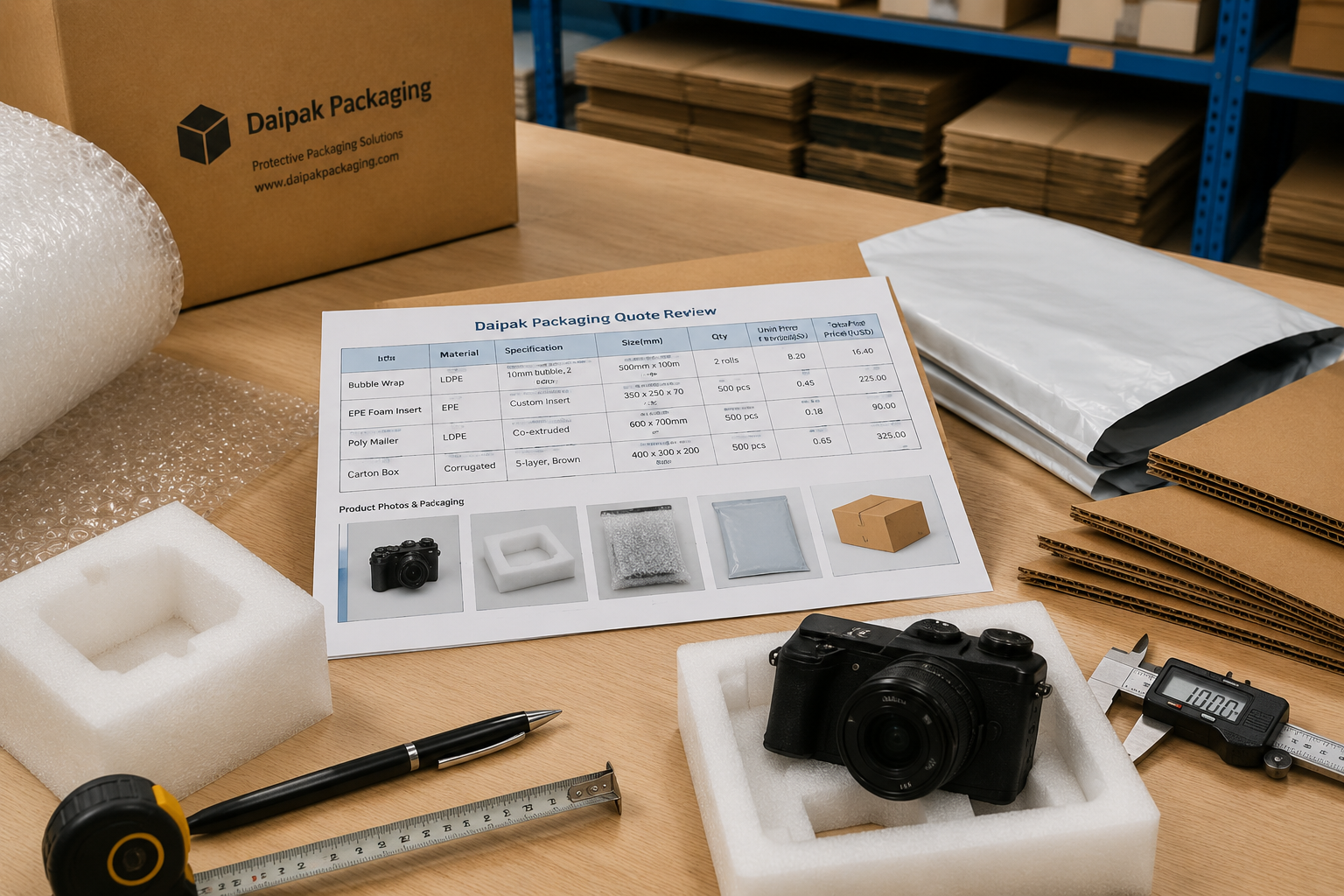
Buyer preparation focus
When specifications are written clearly, suppliers can price the job more honestly and sample changes tend to surface earlier.
Some buyers are trying to get the first quote right. Others are comparing samples, chasing a production issue, or checking whether shipment paperwork still matches the cartons. Pick the path that matches the question in front of you.
Start with the facts that shape price: product size, packaging size, material preference, quantity, print files, packing method, and destination. A brief like that gives the supplier fewer places to guess.
Good quality control follows the job from the first inspection through carton packing and final count. That is how small slips are caught before they become shipment problems.
A sample should tell you whether the structure works in the hand, not just on paper. Use it to confirm fit, tolerance, print, closure, protection, and packing speed.
The cheapest offer is often the one with the most hidden assumptions. Compare what is included, what is still open, and whether the delivery basis truly matches your plan.
Shipment readiness lives in the details: carton marks, pallet rules, warehouse labels, photos, and receiving instructions. When those line up, goods move with far less friction.
Keep the written trail clean. Specifications, sample feedback, production changes, inspection points, and repeat-order standards should all stay in one record.
Start with these two main guides when the order still needs a clearer quote basis or a stronger production standard. One helps the supplier price the real job; the other shows how to keep that job under control after sampling begins.
A strong RFQ is less about filling a template and more about removing the gaps that make suppliers guess. This guide shows which product, material, print, and packing details matter most when you want a cleaner quote.
Read Guide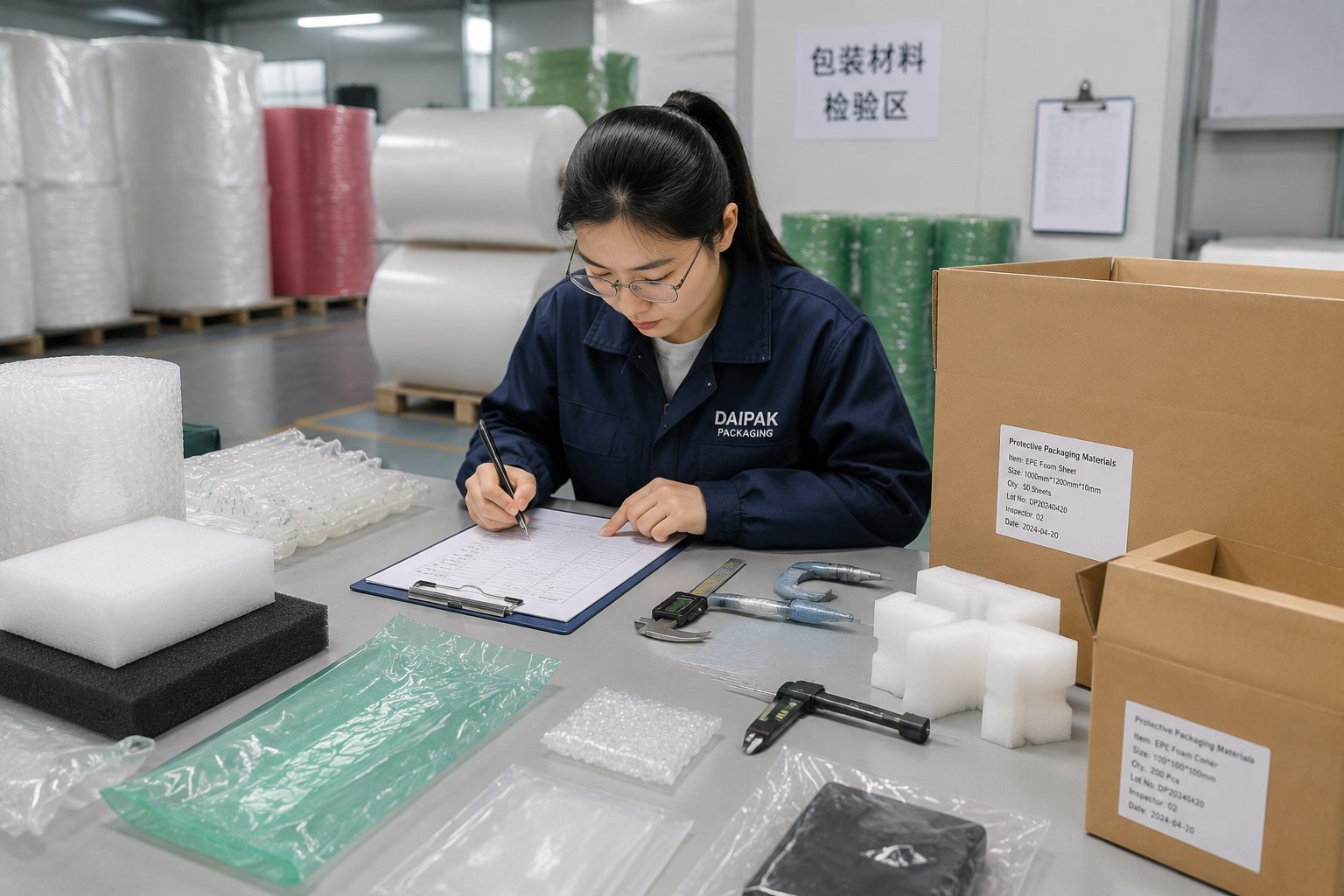
The lowest quote is rarely the truest one. This piece shows how to read what is included, what is missing, and where a seemingly cheaper offer can hide extra work later.
Read GuideBefore you ask for a quote or sign off on a sample, gather the facts that shape price, quality, and lead time in the real world.
Send product dimensions, actual weight, photos, quantity, material preference, printing files, packing method, and destination. If the packaging has a retail or export requirement, include that too, because it changes the quote basis.
Quotes often change when sample review reveals a missing assumption, such as thickness, cushioning density, print setup, or carton count. The revision is usually the result of clearer information, not a surprise cost.
Check fit, tolerance, material feel, color, print position, closure, protection points, and assembly process. A sample is ready when it behaves like the production piece you expect on the line.
Quality control reduces risk because it ties the quote, approved sample, production checks, carton packing, labels, and final shipment review into one record. That makes issues easier to catch before they are expensive to fix.