
Supplier identity
Check business scope, factory name, export experience, product categories, and whether the company is a manufacturer, trading company, or mixed supplier.
China Packaging Supplier Resource
Evaluate China packaging suppliers before samples, quotes, and bulk orders. Use the guides below to check factory capability, RFQ clarity, quality control, and export support.
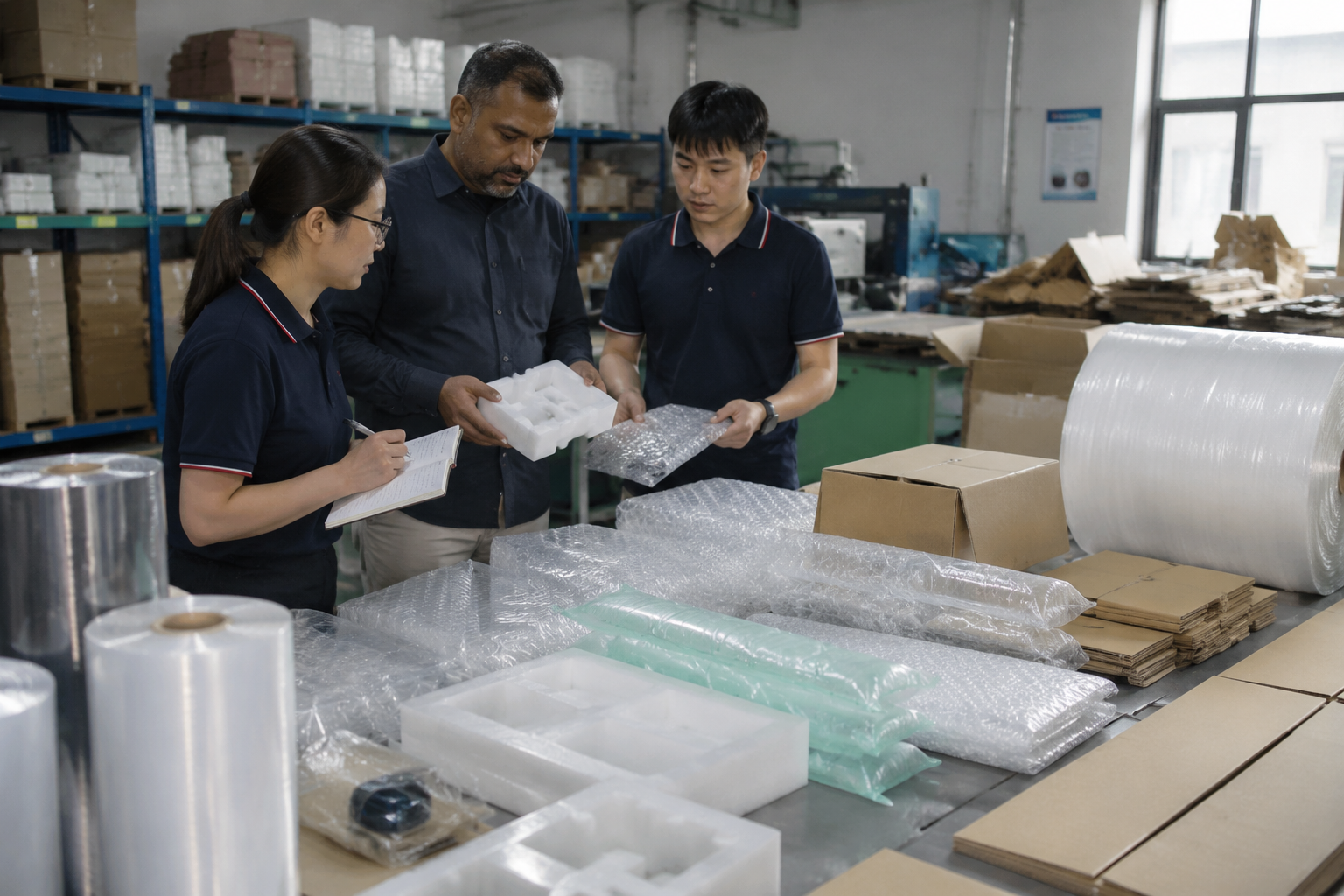
Overseas buyers should choose a China packaging supplier by checking factory identity, product range, production equipment, sample workflow, quality control records, quotation completeness, lead time capacity, export experience, and communication transparency. A reliable supplier should explain material specifications, tolerance, printing limits, packing method, inspection points, and delivery terms before asking for a deposit. The cheapest quote is not always the safest option if the specification, sample standard, or shipment responsibility is unclear.
A packaging quote is only useful when the supplier can prove the material, production method, sample process, quality control, and shipment support behind it.
Check business scope, factory name, export experience, product categories, and whether the company is a manufacturer, trading company, or mixed supplier.
Ask for workshop photos, machine lists, raw material storage, sample records, and packaging lines related to your exact material.
Confirm size, thickness, material, structure, printing, quantity, packing method, destination, and trade term before comparing prices.
Review sample approval, dimensional tolerance, color or print checks, sealing strength, cushioning fit, carton marks, and pre-shipment photos.
Check lead time, MOQ, payment stages, change control, packaging of the packaging products, export documents, and after-sales responsibility.
Supplier Decision Framework
Use these checks before you compare unit price. A China packaging supplier should be able to prove its business identity, production capability, sample process, quality control method, and export support with details that match your packaging material.
Strong supplier answers are specific, documentable, and tied to the exact packaging materials in your RFQ. Weak answers stay vague or push the buyer toward deposit payment before the specification is stable.
| What to verify | Strong evidence | Weak answer or risk | Related Daipak proof |
|---|---|---|---|
| Business identity | Consistent company information, clear business scope, export experience, and a named contact responsible for the order. | Vague company name, changing contact details, no factory evidence, or unclear responsibility after payment. | About Daipak |
| Production capability | Machine list, production photos, workshop process, material storage, and examples close to your target packaging. | Only catalog photos, no production line details, or a supplier that cannot explain how your item will be made. | Factory & Production |
| Material scope | Clear options for bubble wrap, air cushion packaging, EPE foam, plastic bags, film, corrugated boxes, and custom protective packaging. | Cannot explain material differences, tolerances, thickness choices, cushioning behavior, or printing limitations. | Packaging Products |
| Sample workflow | Sample fee, sample lead time, revision record, approved sample standard, and photos before bulk production. | Casual samples with no approval record, no tolerance agreement, or pressure to skip sample confirmation. | Sample & Quotation Process |
| Quality control | Incoming material check, dimension review, sealing or cushioning checks, packing inspection, and pre-shipment photos. | Only says quality is good, avoids measurable inspection points, or cannot describe defect handling. | Quality Control |
| Export support | Carton marks, pallet plan, packing list, invoice coordination, shipping terms, and delivery timing are confirmed in advance. | No export document clarity, unclear Incoterms, or responsibility gaps between production and shipment. | Shipping & Delivery |
The right supplier type depends on product complexity, order repeatability, inspection needs, and how much sourcing coordination your team can manage.
| Supplier type | Best for | Main advantage | Main risk | Buyer should check |
|---|---|---|---|---|
| Packaging manufacturer | Custom materials, repeat orders, technical control, and buyers who need stable specifications. | Direct production control, faster technical feedback, and clearer sample-to-bulk responsibility. | Product range may be narrower than a trader's catalog. | Equipment, material scope, QC workflow, sample standard, and production lead time. |
| Trading company | Mixed small orders, many categories, or early-stage buyers comparing broad packaging options. | Flexible sourcing, supplier consolidation, and lower communication workload for simple products. | Less production transparency and possible responsibility gaps when samples or quality fail. | Actual factory source, quotation ownership, inspection role, and after-sales accountability. |
| Sourcing agent | Buyers needing local coordination, supplier search, translation, inspection booking, or shipment follow-up. | Local communication support and supplier discovery across categories. | Extra cost and indirect technical control if the agent is not packaging-specialized. | Fee model, reporting method, inspection authority, and who solves defects or delays. |
A supplier can quote more accurately when the RFQ includes product risk, packaging function, material preference, size tolerance, packing method, order quantity, and delivery context. A thin RFQ often creates low quotes that change after sampling.
Daipak manufactures and supplies protective packaging materials in Zhejiang, China, helping overseas buyers source bubble wrap, air cushion packaging, EPE foam, plastic bags and film, corrugated boxes, and custom packaging with sample, quotation, quality control, and export support.
Review factory context, material handling, production workflow, and how packaging products move from sample to repeatable bulk order.
Factory & ProductionUse sample and quotation steps to align material, dimensions, printing, packing quantity, and expected order timeline.
Sample & QuotationConfirm inspection points before production, including material checks, size tolerance, sealing, cushioning fit, and packing details.
Quality ControlPlan carton marks, pallets, packing lists, invoice details, shipping terms, and delivery coordination before shipment release.
Shipping & DeliveryTurn product protection needs into custom packaging specifications, sample revisions, production standards, and repeat order controls.
Custom PackagingThis supplier guide connects buying decisions to practical packaging categories. Buyers can compare bubble wrap and air cushion packaging for void fill and surface protection, EPE foam packaging for cushioning and custom inserts, plastic bags and film packaging for product handling or mailer needs, corrugated boxes for shipping structure, and custom protective packaging when standard formats do not solve the product risk.
Guide Library
Start with selected core supplier guides, then browse new sourcing, factory verification, quotation, MOQ, audit, communication, and supplier management articles.
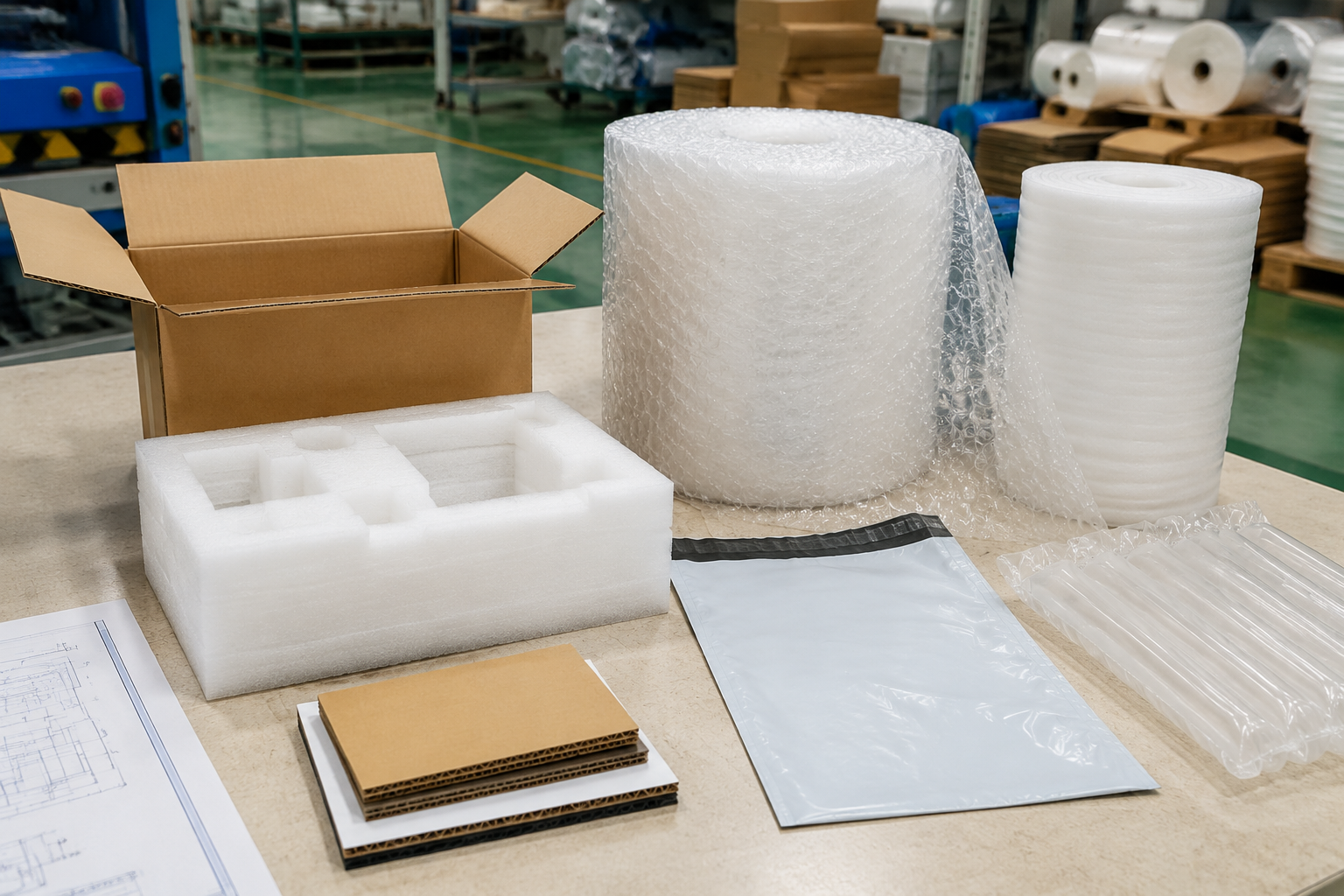
Wholesale packaging materials from China can look simple at the inquiry stage, but the real decision depends on much more than naming a material...
Read guide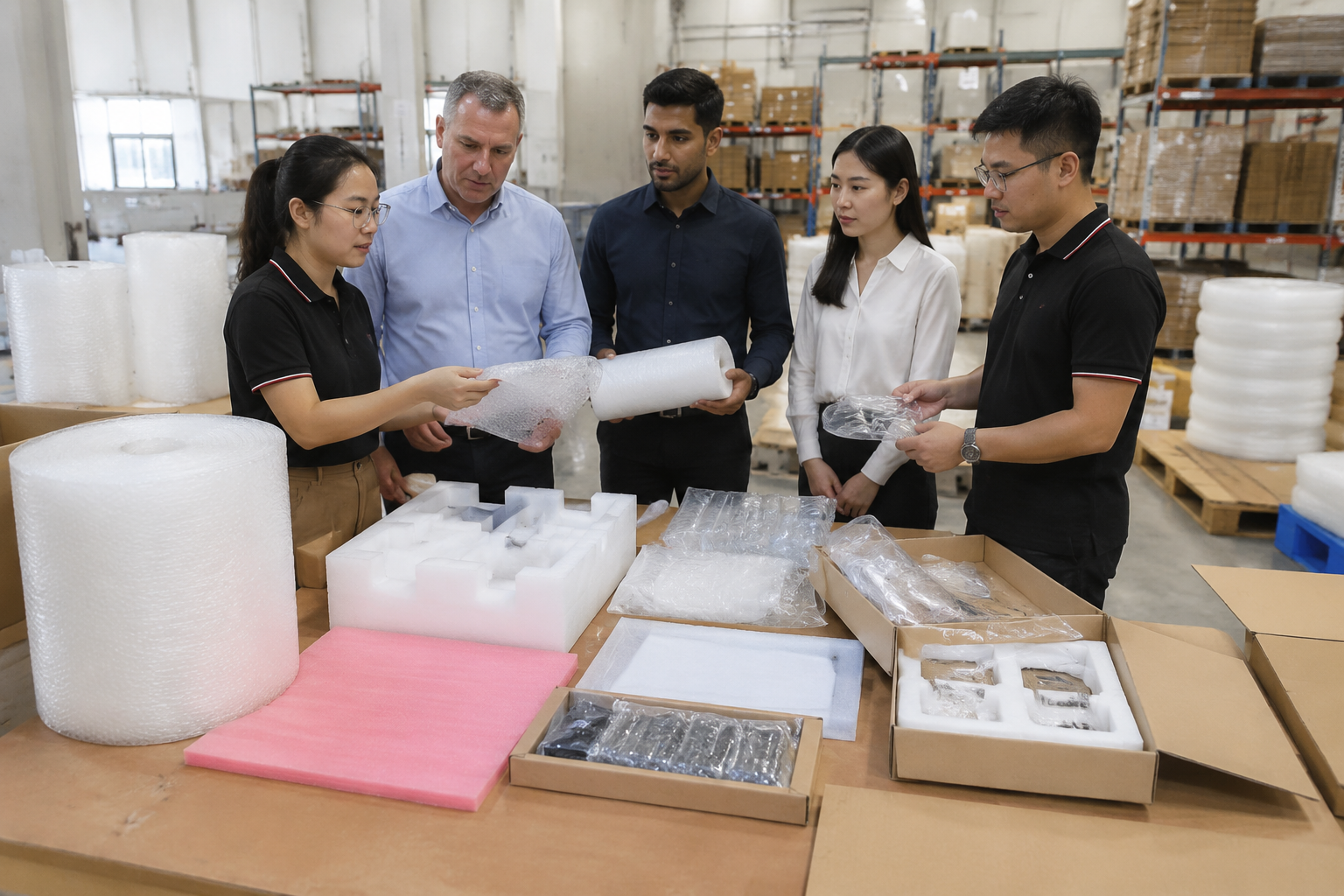
When you are sourcing packaging from China, the main decision is not just who gives the quote. It is whether the supplier can handle...
Read guideChoosing a China packaging materials supplier is not only about finding a factory that can quote foam, bubble wrap, cartons, film, or plastic bags....
Read guide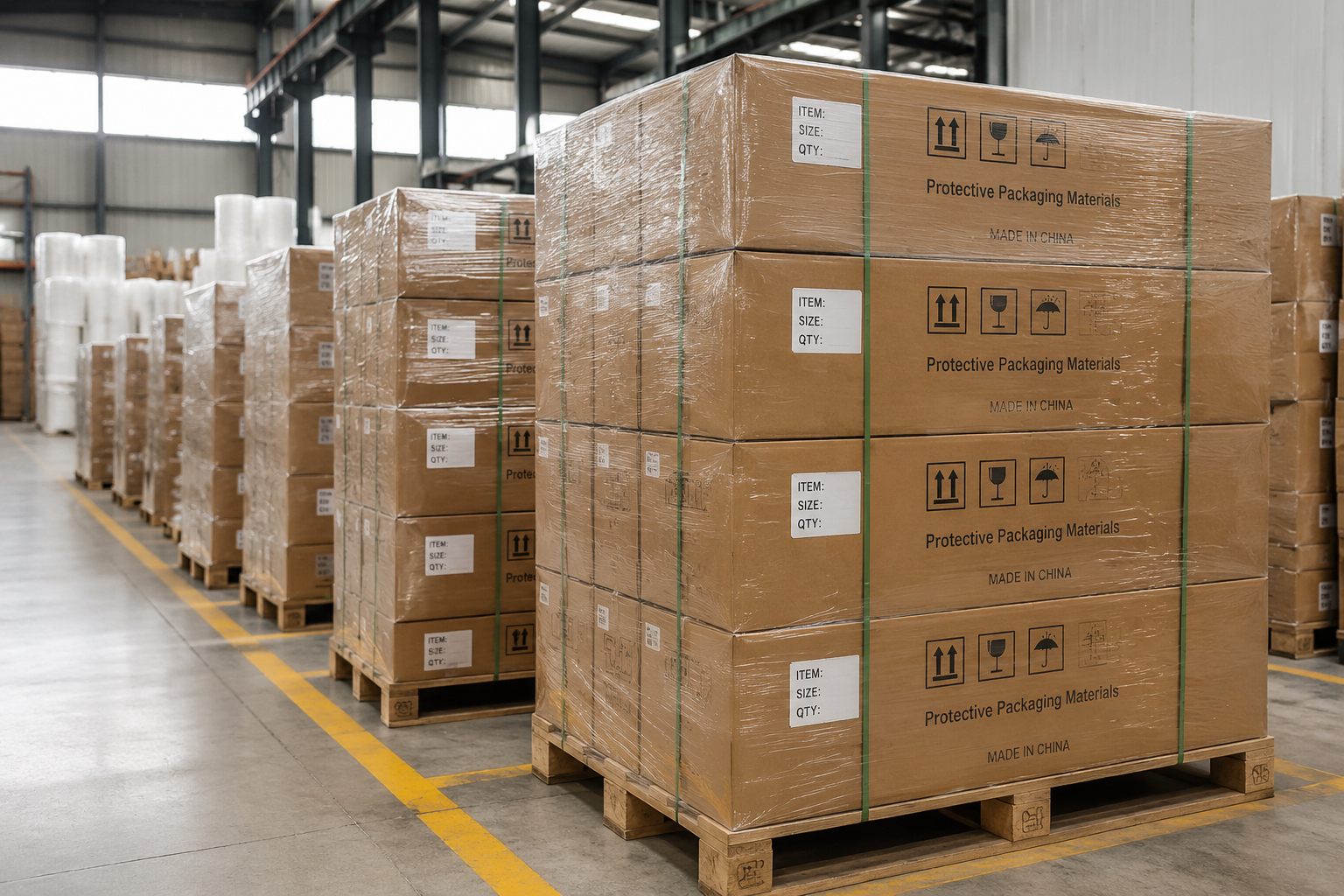
When a wholesale packaging order is ready to ship, the main risk is usually not the product itself but the handoff between packing, freight,...
Read guide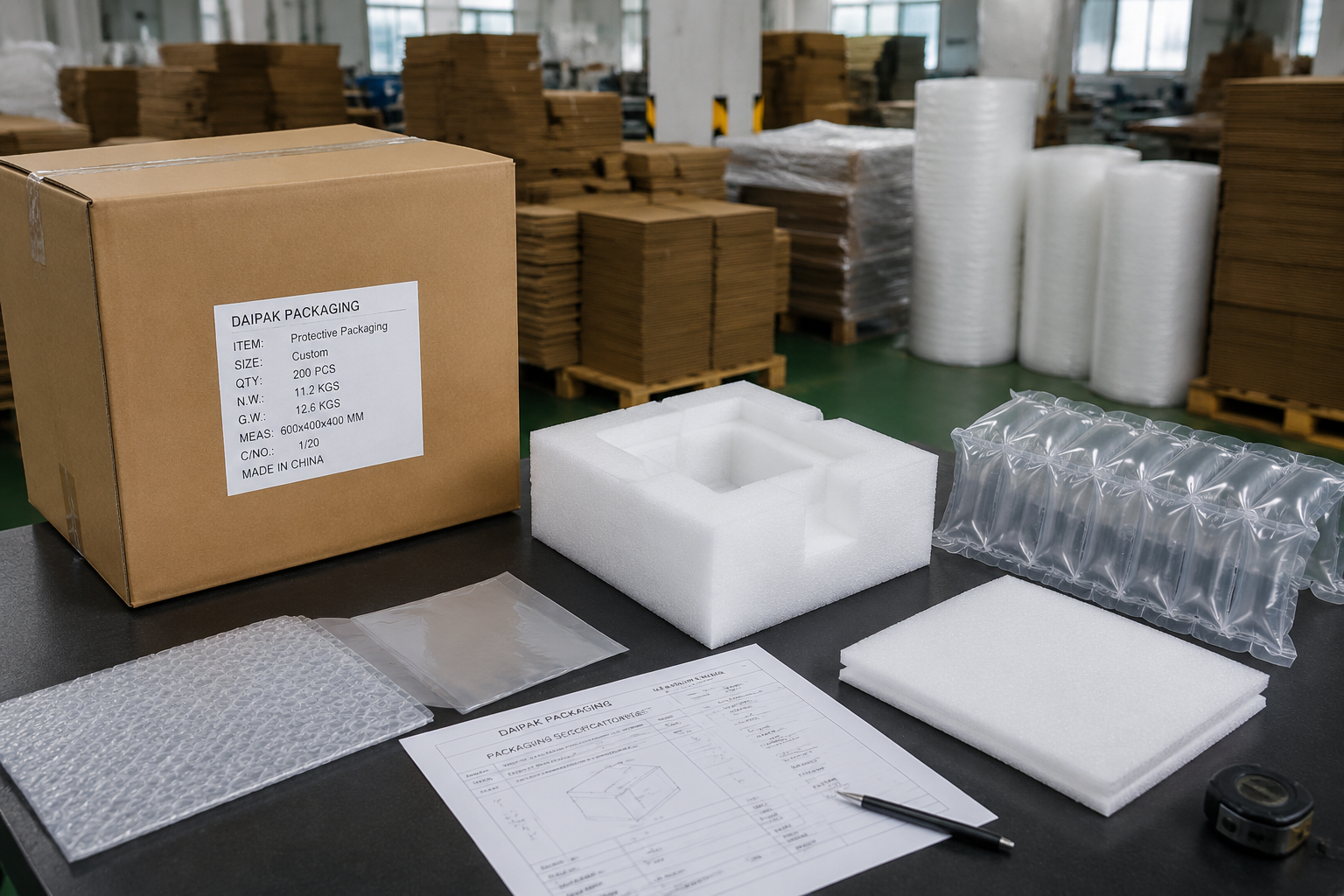
Negotiating wholesale packaging orders with Chinese suppliers is not only a price discussion. The main decision is how to define packaging clearly enough that...
Read guide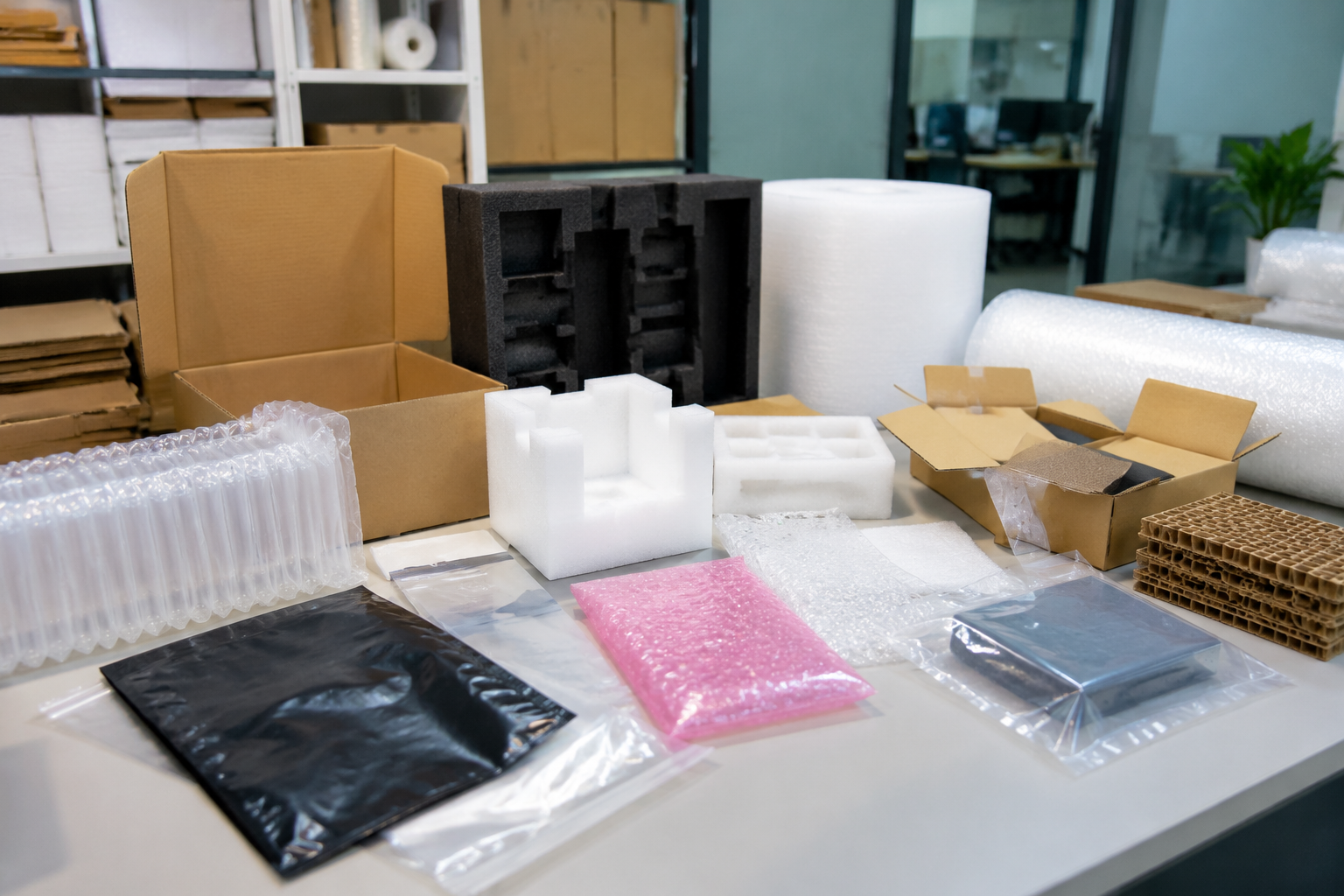
Choosing a supplier for custom packaging is not just a sourcing decision; it affects whether the packaging fits the product, protects it during handling,...
Read guide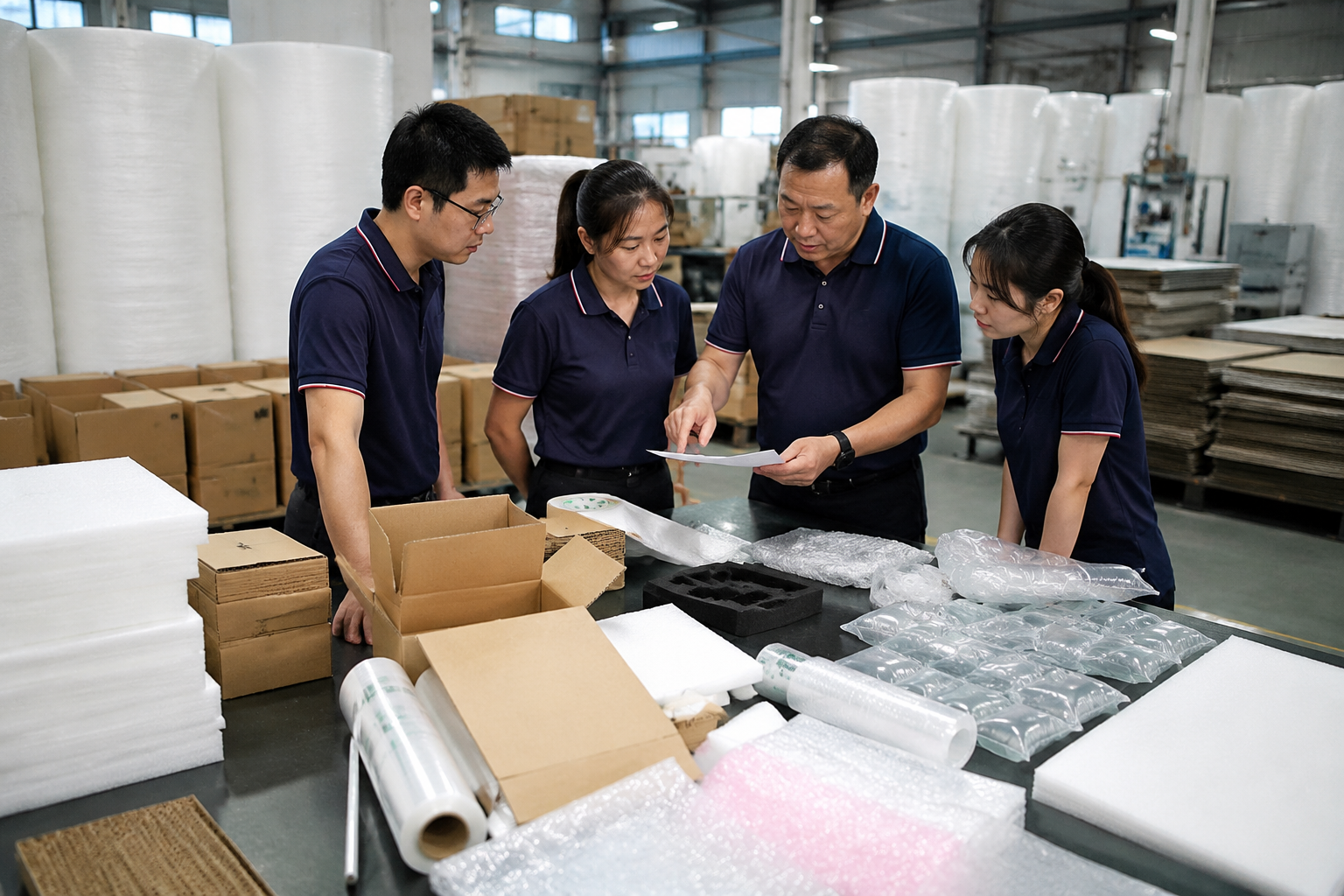
Before placing a packaging order, the real question is not only whether a supplier can offer a low unit price. Buyers also need to...
Read guide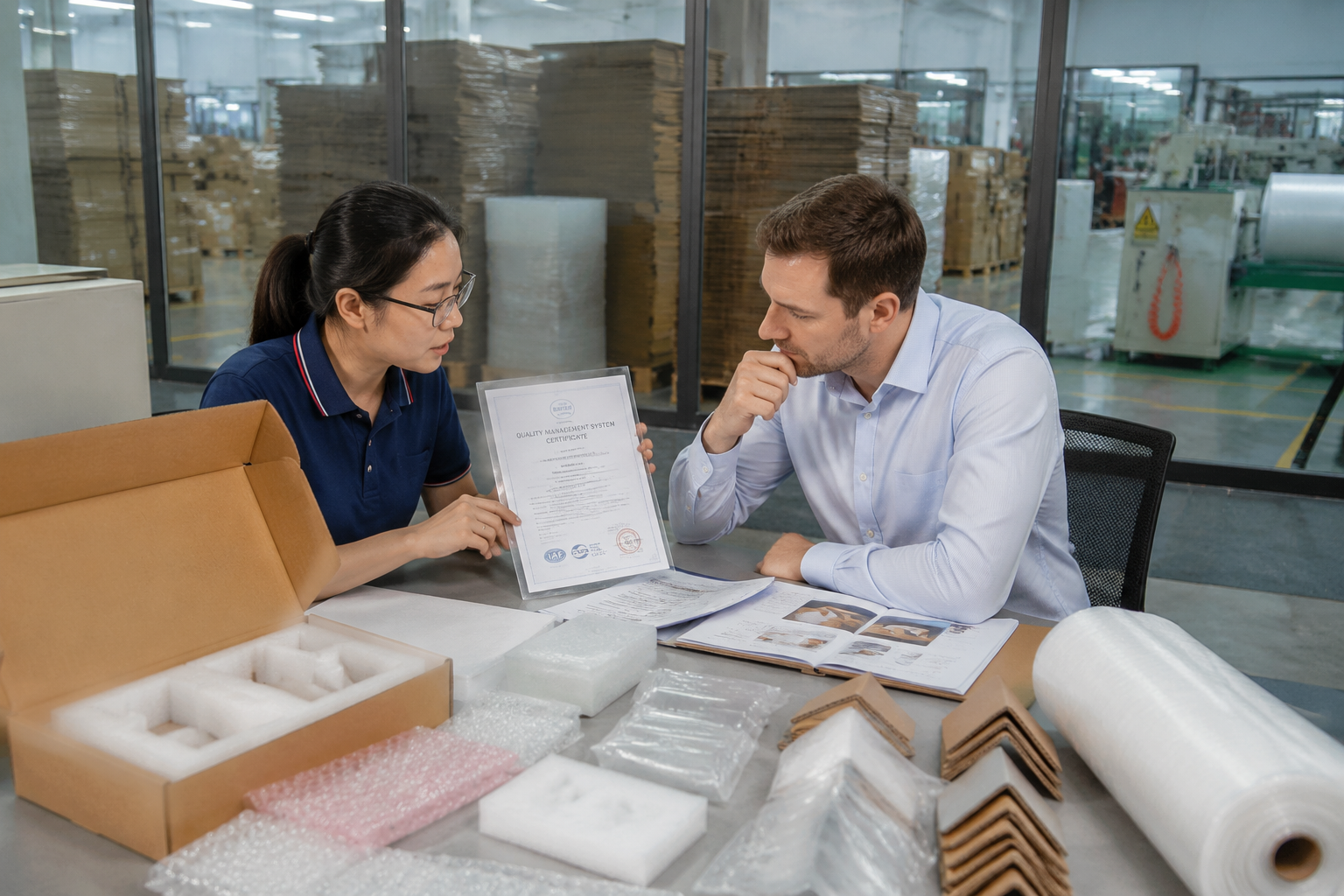
For packaging buyers, manufacturer certificates are useful only when they match the actual product, factory, material, and order risk. A company-level certificate may show...
Read guide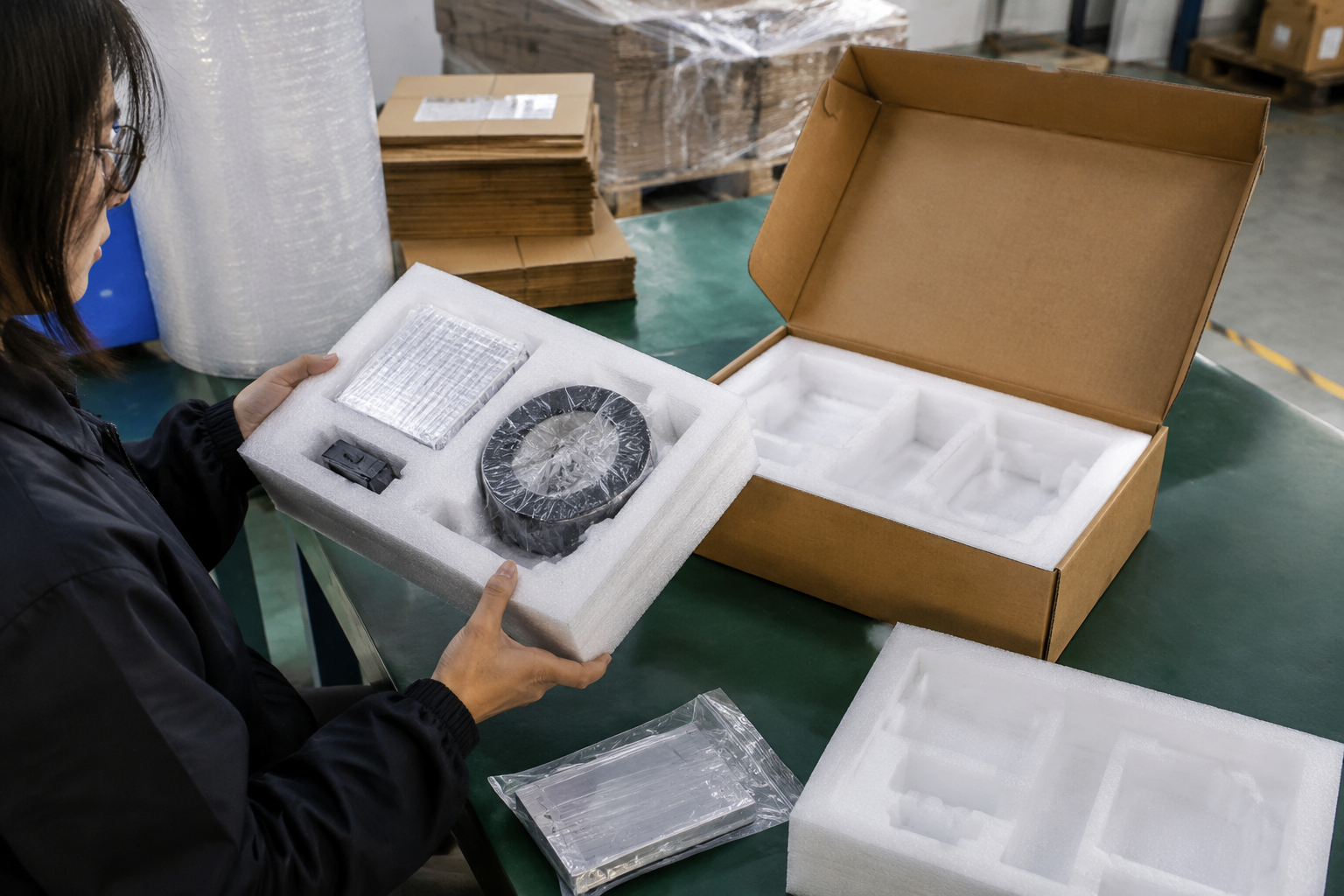
Custom packaging development works best when the discussion starts with the product’s real handling risks, not only the lowest material price or packaging factory...
Read guide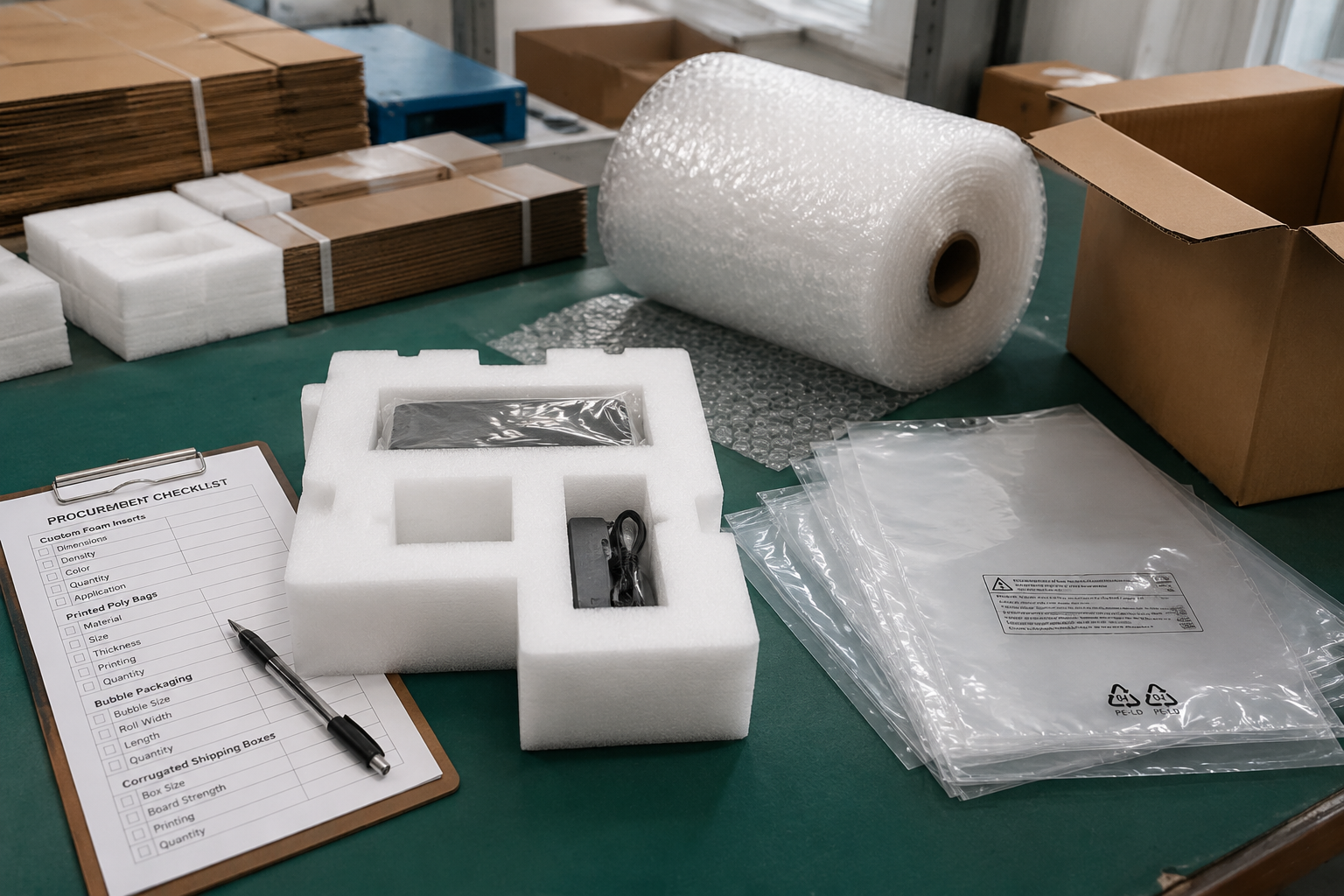
Custom packaging projects often fail when the supplier relationship looks simple on the surface but lacks control behind the quotation. A trading company may...
Read guide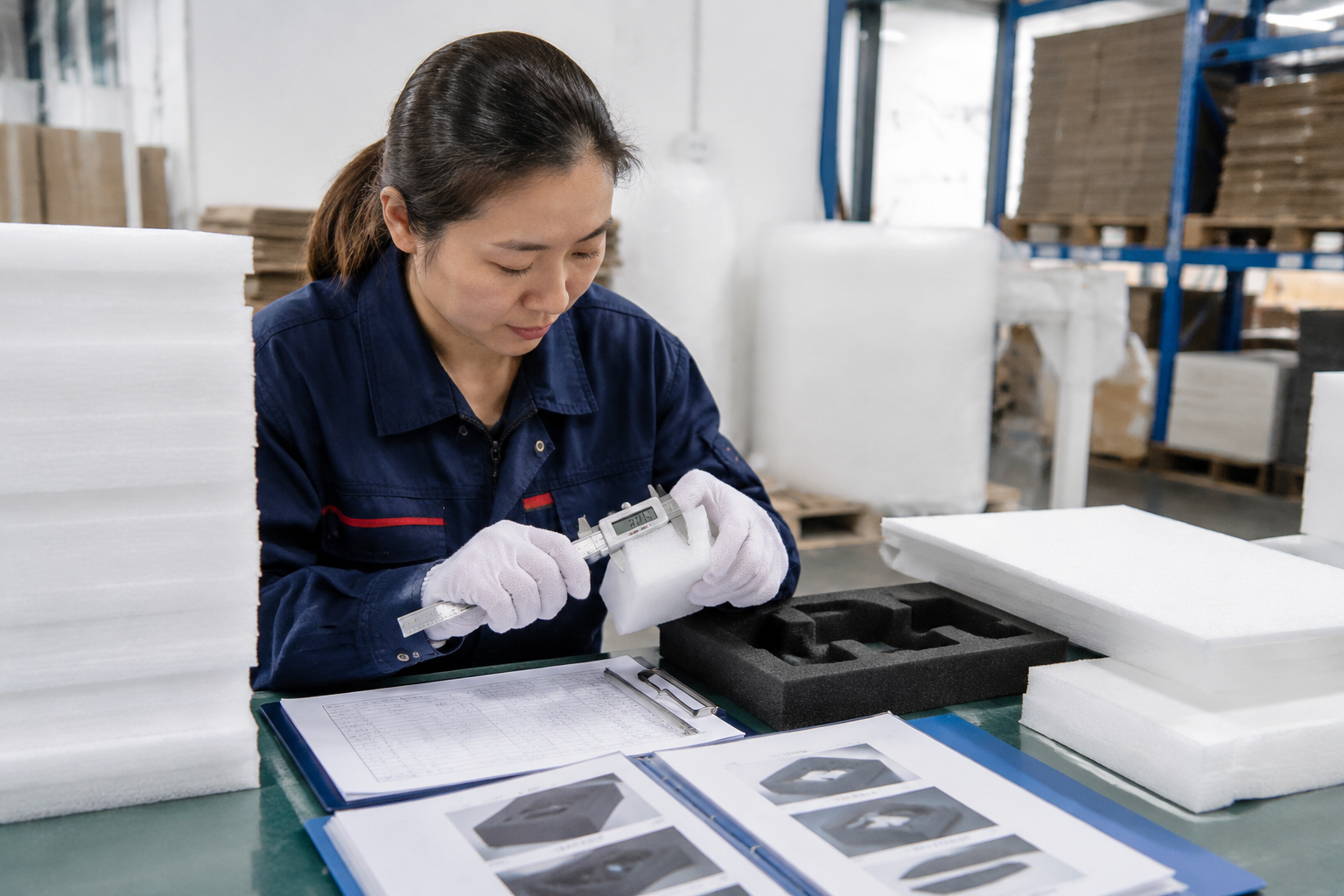
Price differences between packaging factories and trading companies are not always caused by margin alone. A quote for bubble wrap, EPE foam, plastic bags,...
Read guideShort answers for overseas buyers comparing packaging suppliers, factories, trading companies, quotes, samples, and bulk order risk.
Verify business identity, product scope, workshop evidence, machine capability, sample records, quality control process, export experience, and communication consistency. Ask the supplier to explain how your exact material, size, tolerance, printing, packing method, and shipment terms will be handled before you approve samples or pay a deposit.
A packaging factory is usually better for custom materials, repeat orders, technical feedback, and tighter sample-to-bulk control. A trading company may be useful for simple mixed orders or broad sourcing, but buyers should confirm the actual factory source, inspection role, quotation ownership, and who is responsible if quality problems appear.
Send product dimensions, weight, fragility, packaging function, material preference, size, thickness, color, printing, tolerance, packing quantity, order quantity, destination, shipping method, Incoterms, deadline, sample needs, and inspection requirements. A complete RFQ helps the supplier quote the same specification instead of guessing.
MOQ is affected by raw material purchasing, machine setup, printing plates, custom size setup, labor planning, packing method, and export handling. Buyers can sometimes reduce risk by starting with standard sizes, simple printing, mixed repeat products, or a paid sample order before committing to larger custom production.
Check material type, thickness, dimensions, tolerance, cushioning fit, sealing strength, print position, color, surface finish, carton quantity, carton marks, and whether the sample matches the written quotation. Keep approved sample photos and specification notes so bulk production can be inspected against the same standard.
Reduce risk by verifying supplier capability early, writing a complete RFQ, approving samples before mass production, agreeing on inspection points, confirming payment stages, checking export packing, and keeping communication records. The lowest unit price should not override unclear specifications, weak samples, or missing shipment responsibility.