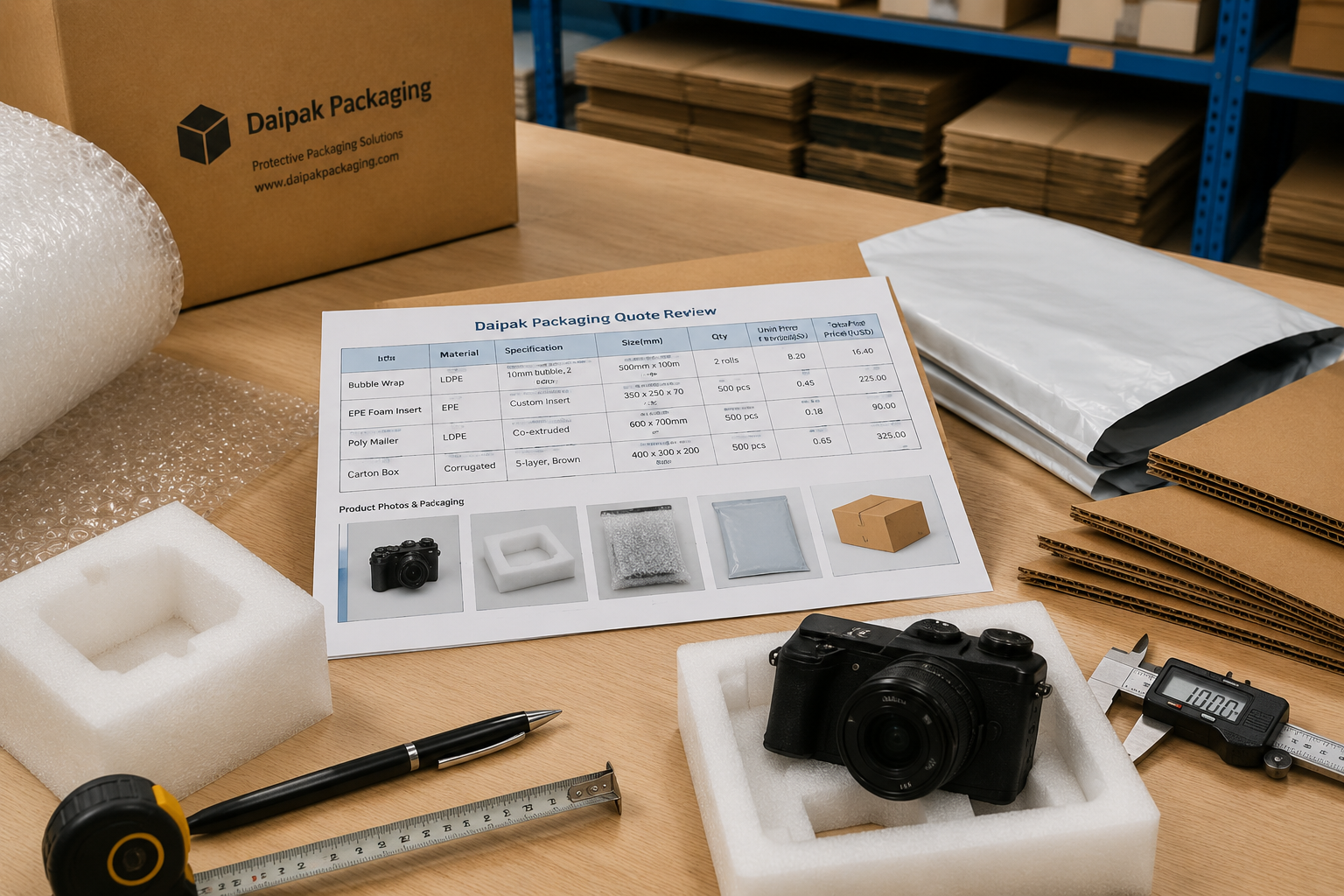
How to Get an Accurate Packaging Quote from a China Packaging Supplier
Use this guide before sending a quote request so size, material, quantity, print, sample, and shipping details are clear enough for supplier review.
Resources > News
Daipak resources
Daipak news is written from the middle of real packaging work, where a buyer's first request often changes after dimensions are checked, samples are reviewed, cartons are planned, and shipping details become clearer. These project notes show how packaging decisions develop before production.
Read by buyer need
Many packaging problems do not begin on the production line. They begin earlier, when a product is described too generally, a quote is requested without enough detail, or an export carton is treated as an afterthought.
Daipak uses this news section to record those moments. The articles are not broad industry announcements. They are project notes from buyer conversations, sample revisions, packing reviews, and export preparation.
A note about a poly mailer quote is also a lesson in RFQ quality. A note about carton marks is also a reminder that warehouse receiving starts long before the shipment arrives. A note about glass bottle packaging is not only about one fragile product; it shows why movement inside the carton matters as much as the outside box.
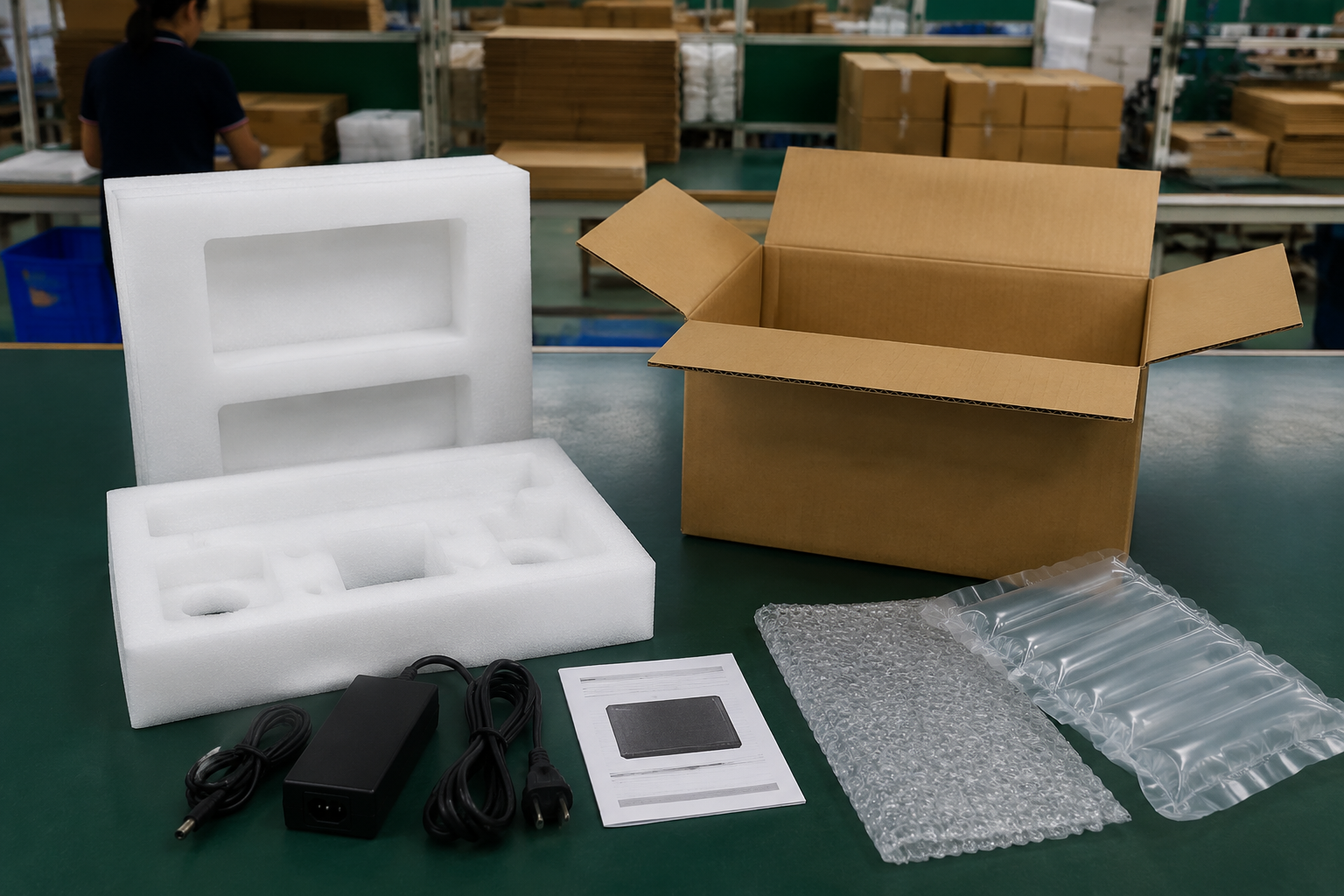
A useful packaging update should tell a buyer what changed, why it changed, and what should be confirmed next. Bubble wrap, EPE foam, air cushions, poly mailers, corrugated cartons, custom inserts, stretch film, and pallet packing do not work as isolated product names. They work inside an order system: product risk, packing speed, carton size, warehouse handling, shipping distance, and buyer expectations all influence the final specification.
Related guides
The news section should not stand apart from the rest of the resource library. Each update belongs to a larger buyer question that Daipak already covers in its guides: quotation preparation, export packaging, quality control, custom protection, material comparison, and supplier selection.
Use this guide before sending a quote request so size, material, quantity, print, sample, and shipping details are clear enough for supplier review.
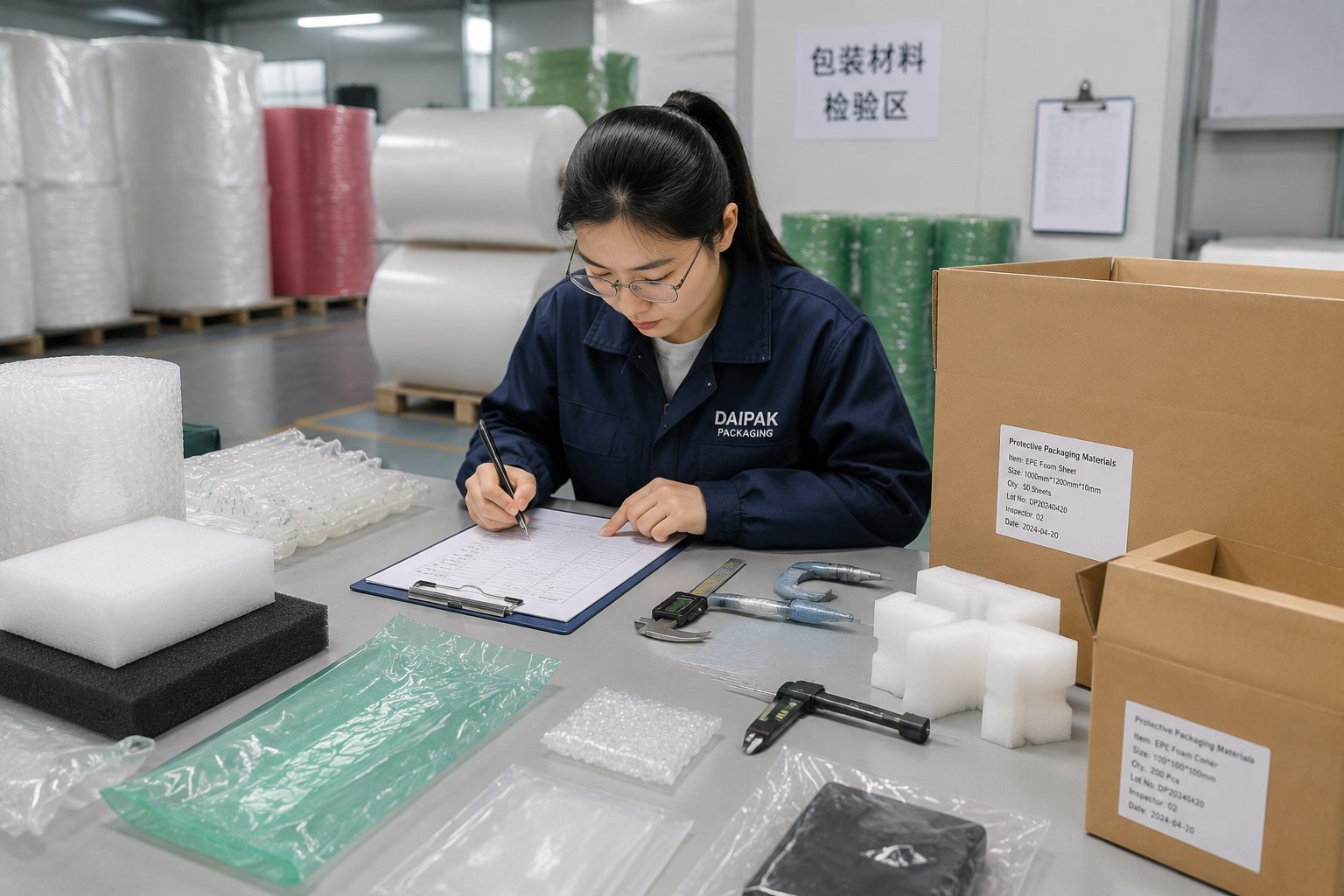
Connect specifications, sample approval, production checks, inspection points, and shipment review before packaging moves into bulk production.
Review carton packing, palletizing, labels, loading preparation, and shipping details before export packaging leaves the factory.
Latest updates
Featured guide cards stay curated above this section. This article list updates from the WordPress News category, so newly published News posts can appear here with the same card style and one useful image.
Automatic source: WordPress posts assigned to the News category. Posts in other categories stay out unless News is also selected.
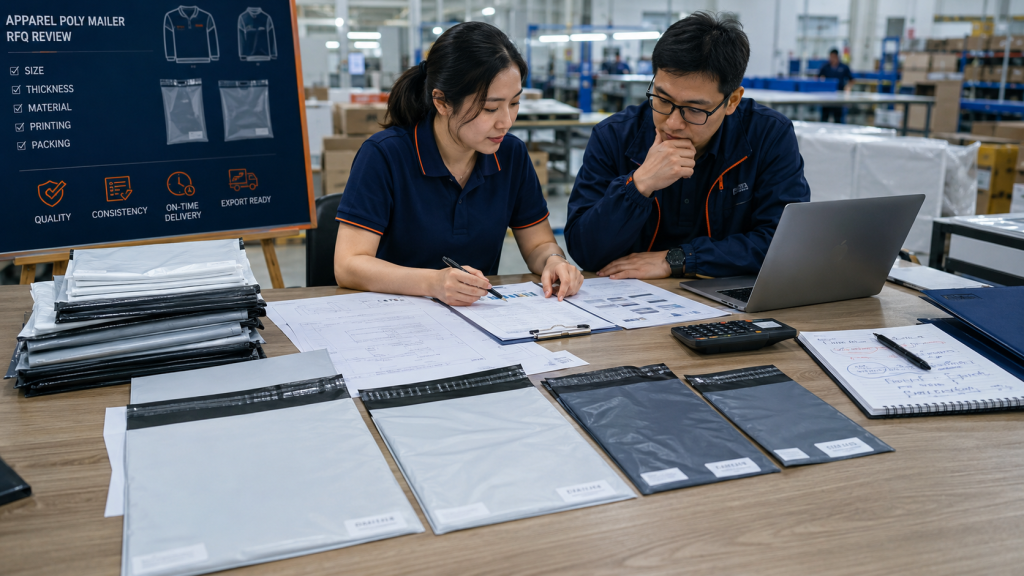
Packaging need: An apparel poly mailer quote changed three times because the first request did not give the supplier enough stable information.
Size, film thickness, printing method, order quantity, packing count, and destination can all affect the final unit price. When those details arrive one by one, the quote becomes a moving target instead of a comparable purchasing decision.
What to prepare next: Before asking for a final quote, prepare the product size, bag opening direction, material preference, thickness range, printing artwork, order quantity, shipping destination, and packing method. A quote is only accurate when the specification is accurate enough to produce.
How to read the notes
Current updates are easier to use when they point back to durable buyer guides. The evergreen guides explain how to think. The product pages show what can be supplied. The support pages explain how quotation, samples, shipping, and after-sales communication work. The news notes sit between them, showing how those parts come together in practical packaging decisions.
Use news to recognize the project situation, then open the relevant guide before preparing an RFQ, sample approval, material comparison, or export packing review.
Each update connects to a practical task: quotation, carton marks, combined packaging, sample approval, or fragile product protection. The product may change, but the decision pattern often repeats.
A quote-change story belongs with quotation preparation. A carton mark review belongs with export packaging. A sample approval update belongs with quality control.
After the guide, review the product or support page that proves the material, process, or service can be supplied: poly mailers, EPE foam inserts, corrugated boxes, QC, samples, or shipping support.
Before contacting a supplier, write down the product size, weight, photos, quantity, material direction, packing method, destination, and any sample or inspection requirements.
Buyer problem map
Most buyers do not begin with a material name. They begin with a problem: a quote is unstable, a carton has to pass warehouse receiving, a fragile product moves inside the box, or a custom sample looks good but has not yet become a production standard.
A quote usually changes because the supplier is still discovering the real specification. For poly mailers, missing details such as finished size, flap design, film thickness, printing coverage, quantity, packing count, and destination can all change the final price. Buyers should treat the first RFQ as a specification document, not a short message asking for a unit price.
Prepare a complete RFQ before comparing suppliers, then compare quotes line by line instead of choosing the first low number.
Carton packing is not only about protecting goods during transport. For replenishment orders, cartons also need to be identified, counted, stacked, scanned, and matched to the buyer's receiving process. Carton marks, SKU labels, pallet labels, pallet height, and mixed carton rules can decide whether a shipment is smooth after it reaches the warehouse.
Confirm carton marks, packing list format, pallet dimensions, SKU separation, outer carton strength, and receiving requirements before mass packing.
Electronics kits, gift sets, glassware, instruments, and precision products often need several packaging functions at once. One material may provide cushioning, another may separate components, another may control surface scratches, and the outer carton may provide stacking strength. A single-material decision can miss the real risk.
Start by mapping impact, movement, surface abrasion, missing components, moisture, compression, and packing speed, then choose materials according to function.
Sample approval becomes weak when it depends only on a general visual impression. A custom gift box, printed bag, foam insert, or corrugated structure should be approved with measurable points: dimensions, tolerance, color, surface finish, fit, glue position, printing position, packing method, and comparison photos.
Use the approved sample as a production standard and record what is accepted, what must be corrected, and which sample or photo set will be used for inspection.
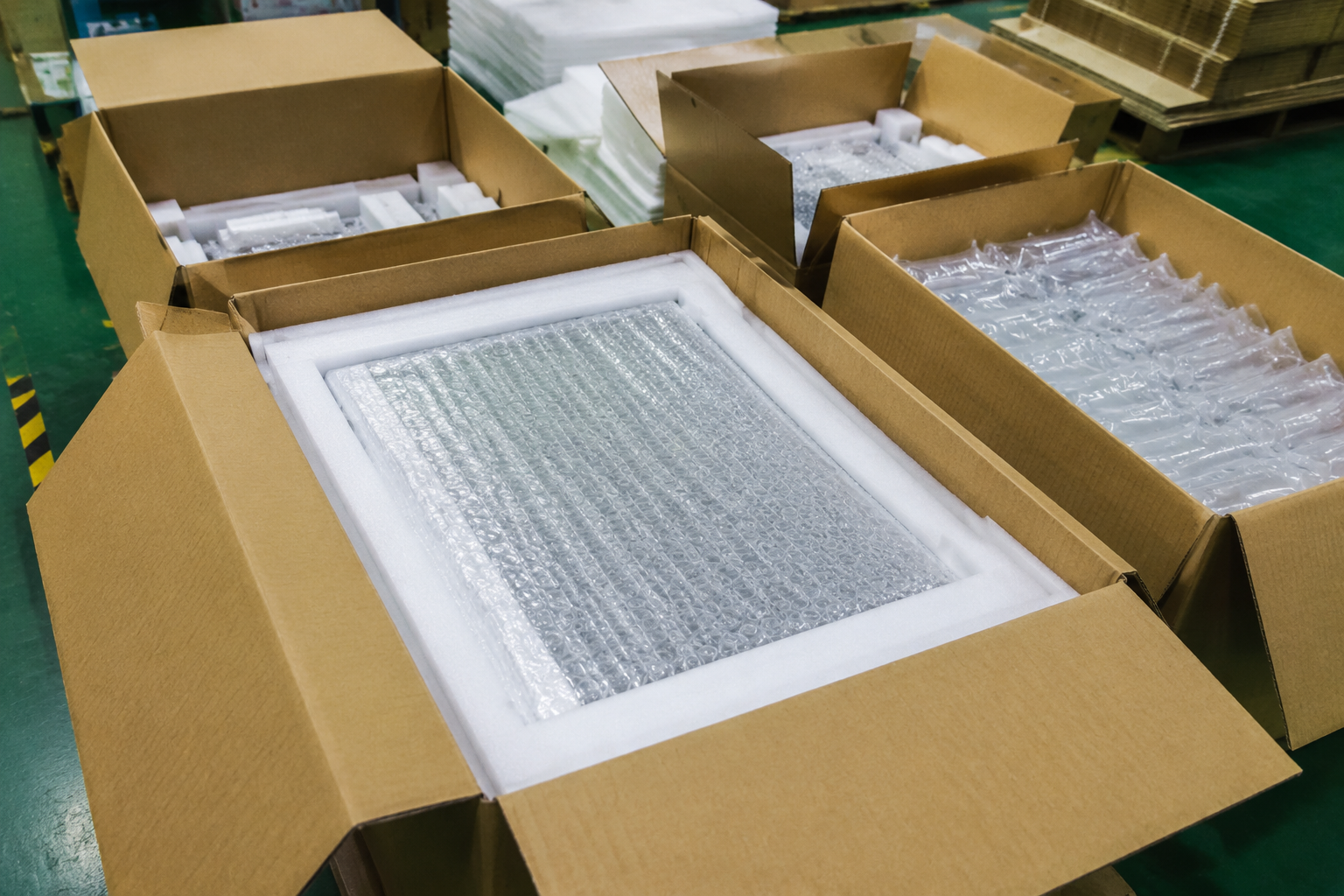
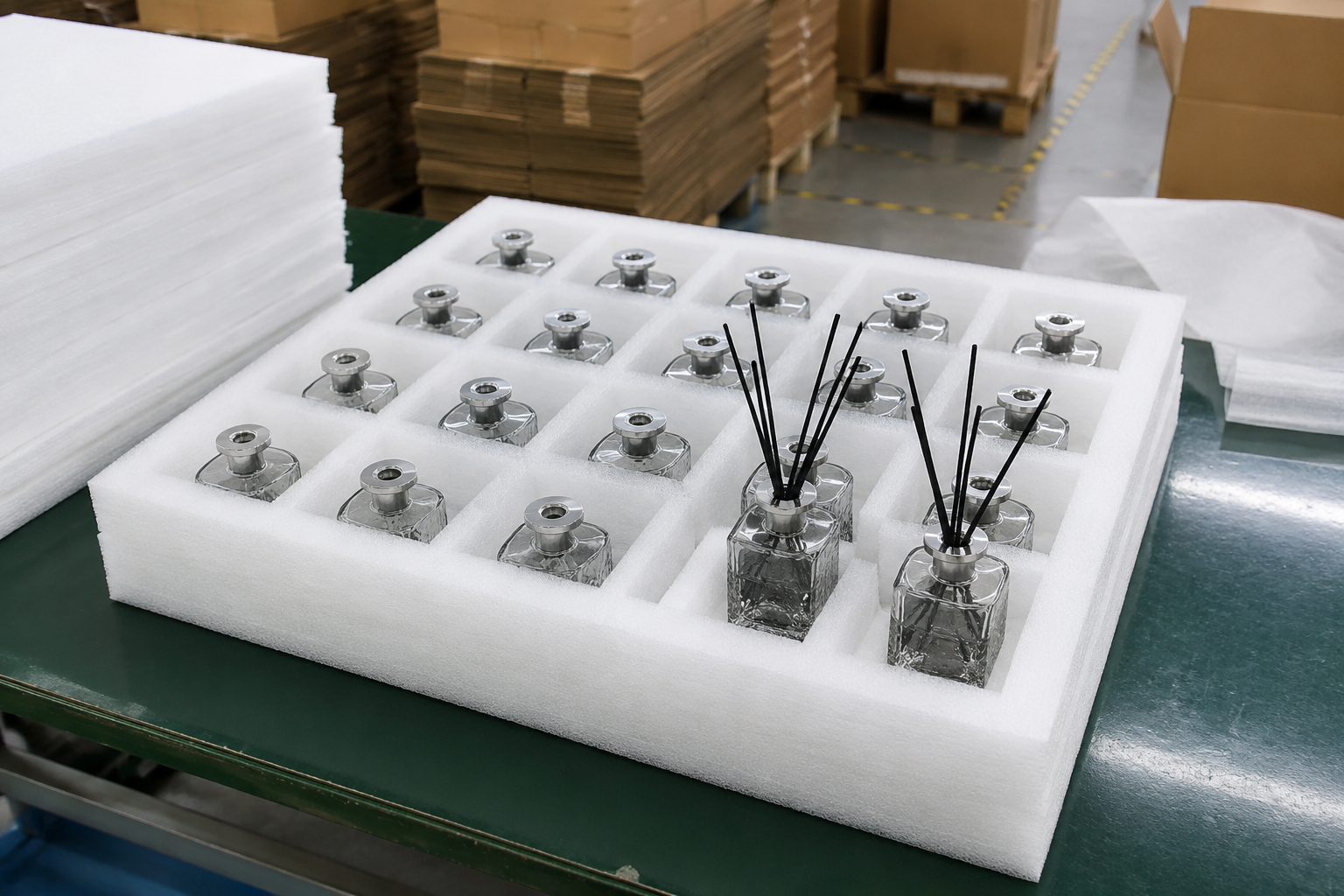
Fragile products are often damaged because movement is not controlled inside the packaging structure. A strong carton helps, but it cannot fully protect a glass bottle or instrument if the product can shift, hit another surface, or press against a weak point during handling.
Check product shape, weight, fragile points, packing direction, insert support, void fill, carton strength, and shipping route before production.

Practical answers
These questions summarize how buyers can use Daipak project notes together with quotation guides, material pages, quality control references, and export packing support.
Daipak news focuses on project notes from real packaging work rather than general industry announcements. Each update shows a specific situation where quotation, sample approval, material selection, carton packing, or export preparation affected the final packaging decision.
Project notes show which missing details usually slow down a quotation. Packaging price often depends on dimensions, material, thickness, printing, packing count, destination, trade terms, sample needs, and quality expectations, so a similar project note can help a buyer send a clearer RFQ the first time.
The same issues appear across different products: incomplete specifications, unclear sample approval, material choices made too late, cartons planned without warehouse needs, and fragile products that move inside the package.
Use the news notes to recognize the situation, then use the guides to solve it more systematically. If a note describes quote changes, read the quotation guide; if it describes carton marks or pallet packing, read the export packaging guide; if it describes fragile products, compare protective materials before requesting a sample.
A buyer should contact Daipak when the project note resembles their own product or order stage. The most useful information to send is product size, weight, photos, quantity, target material, packing method, destination, shipping method, and any known quality or warehouse requirements.
Packaging project support
If one of these updates feels close to your order, use it as a starting point for your own packaging brief. Send Daipak the product size, weight, photos, quantity, material preference, packing method, destination, and any sample or inspection requirements. The team can help review whether your packaging plan needs a standard material, a custom insert, a stronger carton, clearer marks, or a more complete quotation request.