Pressure and security
Blast-resistant and ventingBullet-resistant and high securityShelter, detention and special careShielding and environment
Radiation and medical shieldingRF and EMI shieldingFlood and watertightAirtight and cleanroomAcousticFire and sector
Fire-rated and multi-performanceData center and cabinetMarine and offshoreTransport and infrastructureIndustrial and service
Industrial and automatedOversized engineeredCompanion systemsRetrofit and restoration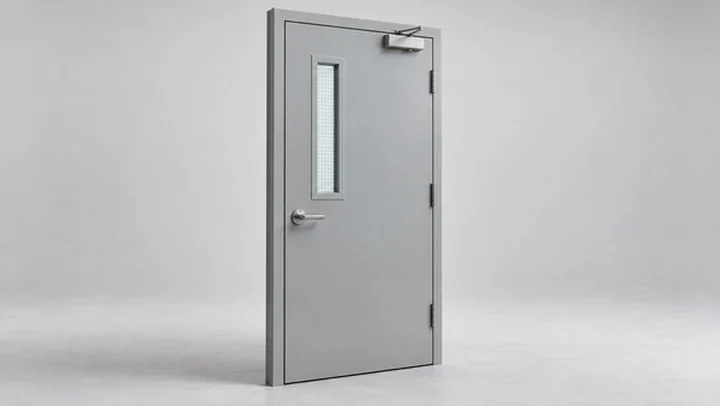
Single leaf 90 minutes, double leaf 60 minutes, also CE marked and Certifire certified for export projects.
See fire-rated doorsAll products, with filtersInfrastructure and buildings
Data centers and AI computeRail and tunnelsMarine, offshore and portsAirportsBanking
X-ray, CT, MRI RF, airtight theater and fire doors on one submittal set, one ID per door.
See healthcare doors
How to read what a certificate, listing or test report actually proves.
Read the guideEnvironments and sectors
Controlled environmentsFlood, marine and infrastructureIndustrial and critical facilities
Engineering guides on sourcing, test evidence and every specialty door type, written by YK engineers.
Browse all articlesFire and Smoke Protection Guides for Fire-Rated Door Assemblies
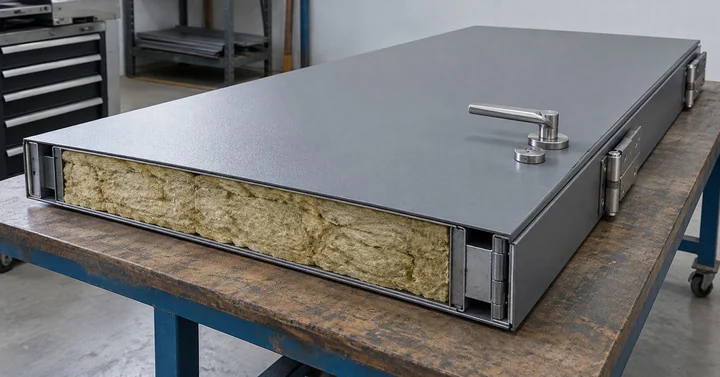
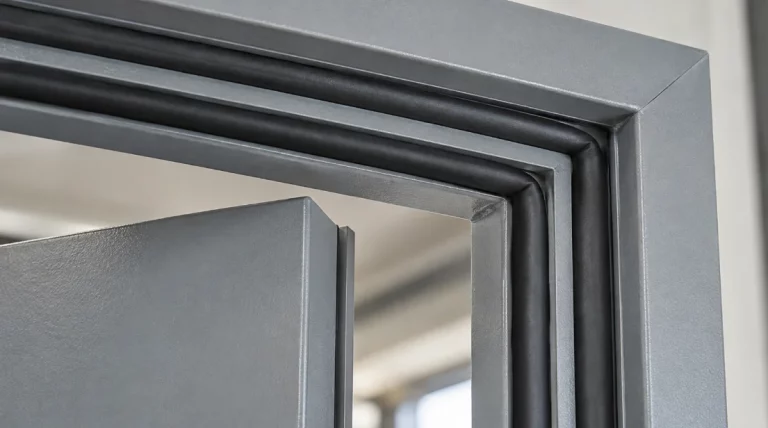
Fire-rated doors earn their rating as complete assemblies: leaf, frame, core, hardware, glazing and seals tested together. These guides take that assembly apart component by component, explain why each part matters in a fire, and show which substitutions keep or break the rating. A second pillar covers doors that must do two jobs at once, such as fire plus acoustic, smoke, wind load, security or radiation shielding, and explains how combined performance is proven rather than assumed. Written for architects, door and hardware consultants and buyers who want to specify fire doors with confidence.
 Fire and Smoke Protection
Start with the fire and smoke protection cornerstone guides
Each cornerstone guide covers the whole topic end to end. The articles in its series go deeper into one question each.
Cornerstone guideAnatomy of a Fire-Rated Door Assembly: Frame, Core, Hardware, Glazing and Seals
- Written for
- Architect, specifier or buyer who needs to understand why the whole assembly, not the leaf, carries the rating.
- The question it answers
- What parts make up a fire-rated door assembly and how does each one affect the rating?
 Cornerstone guide
When One Door Has to Do Two Jobs: How Combined Fire, Acoustic, Smoke and Wind-Load Ratings Are Proven
- Written for
- Engineer or specifier writing a door line that needs fire plus another performance.
- The question it answers
- Can one door be fire-rated and acoustic (or blast, shielded, airtight), and how is that proven?
All fire and smoke protection articles
When One Door Has to Do Two Jobs: How Combined Fire, Acoustic, Smoke and Wind-Load Ratings Are Proven
Specify combined performance door ratings for fire, acoustic, smoke and wind loads. Match seals, hardware and glazing to the evidence with YK Door.
Read article 20 min readAnatomy of a Fire-Rated Door Assembly: Frame, Core, Hardware, Glazing and Seals
Explore fire-rated door assembly components, from the frame and core to hardware, glazing and seals, with practical selection guidance from YK Door.
Read article 21 min read