Practical packaging guides for overseas buyers choosing materials, comparing protection options, preparing custom specifications, checking China packaging suppliers, and getting clearer quotes before sampling or bulk production.
Use these resources to connect product risk, material choice, supplier capability, quotation details, quality control, and export packing into one packaging decision.
Start with the packaging decision, then choose the guide.
Most packaging questions are not only about one material. A buyer may need less breakage, clearer RFQ details, faster packing, better supplier confirmation, or safer export handling. This resource center turns those buying moments into a practical path.
Start with core guides, then keep reading the newest packaging notes.
The featured guides anchor Daipak's main packaging knowledge clusters. The latest articles below follow Daipak resource categories, keeping the library close to current buyer questions.
Cornerstone resource guides
These articles stay visible because they define the buyer paths for material choice, custom packaging, supplier evaluation, quotation, quality control, and export preparation.
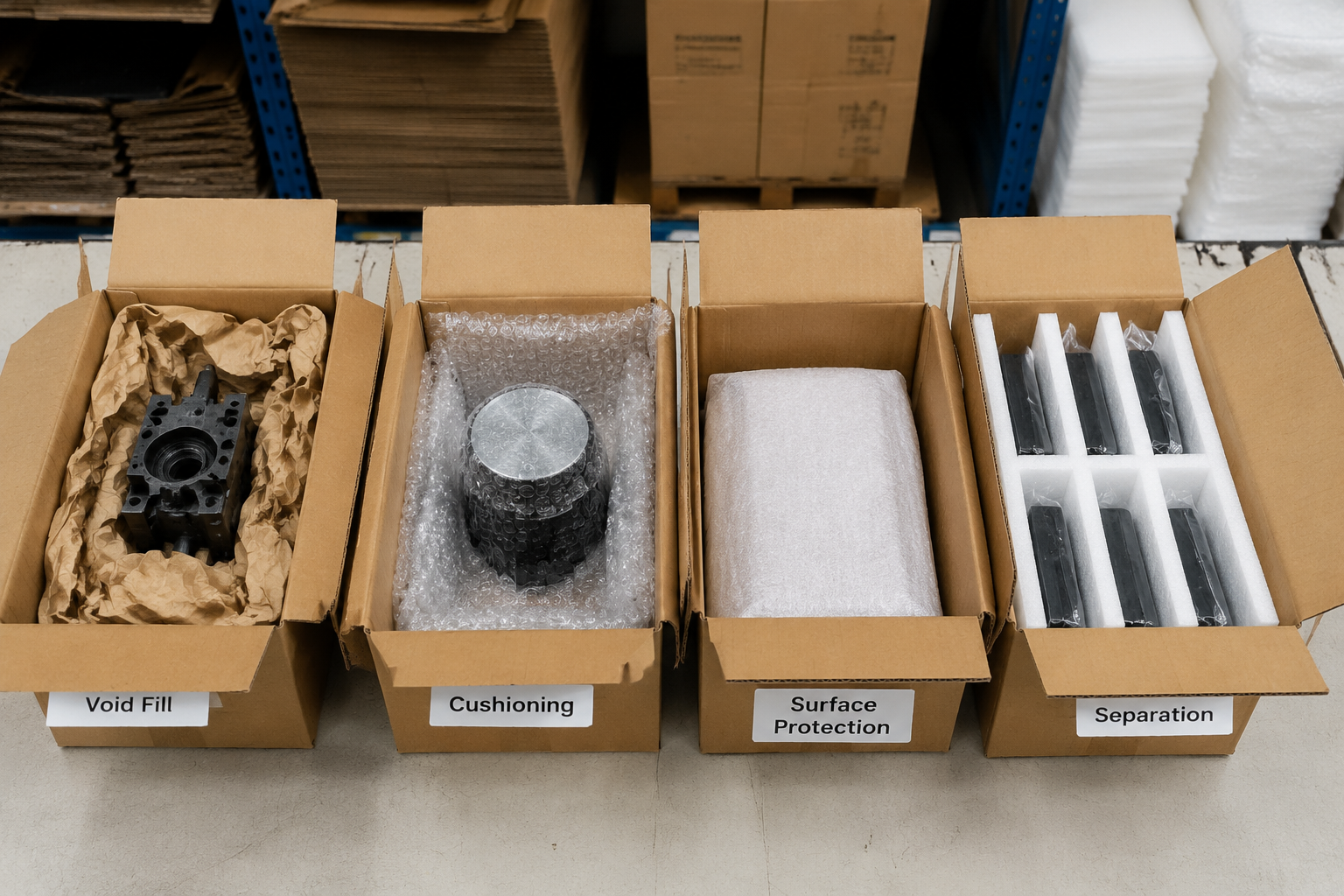
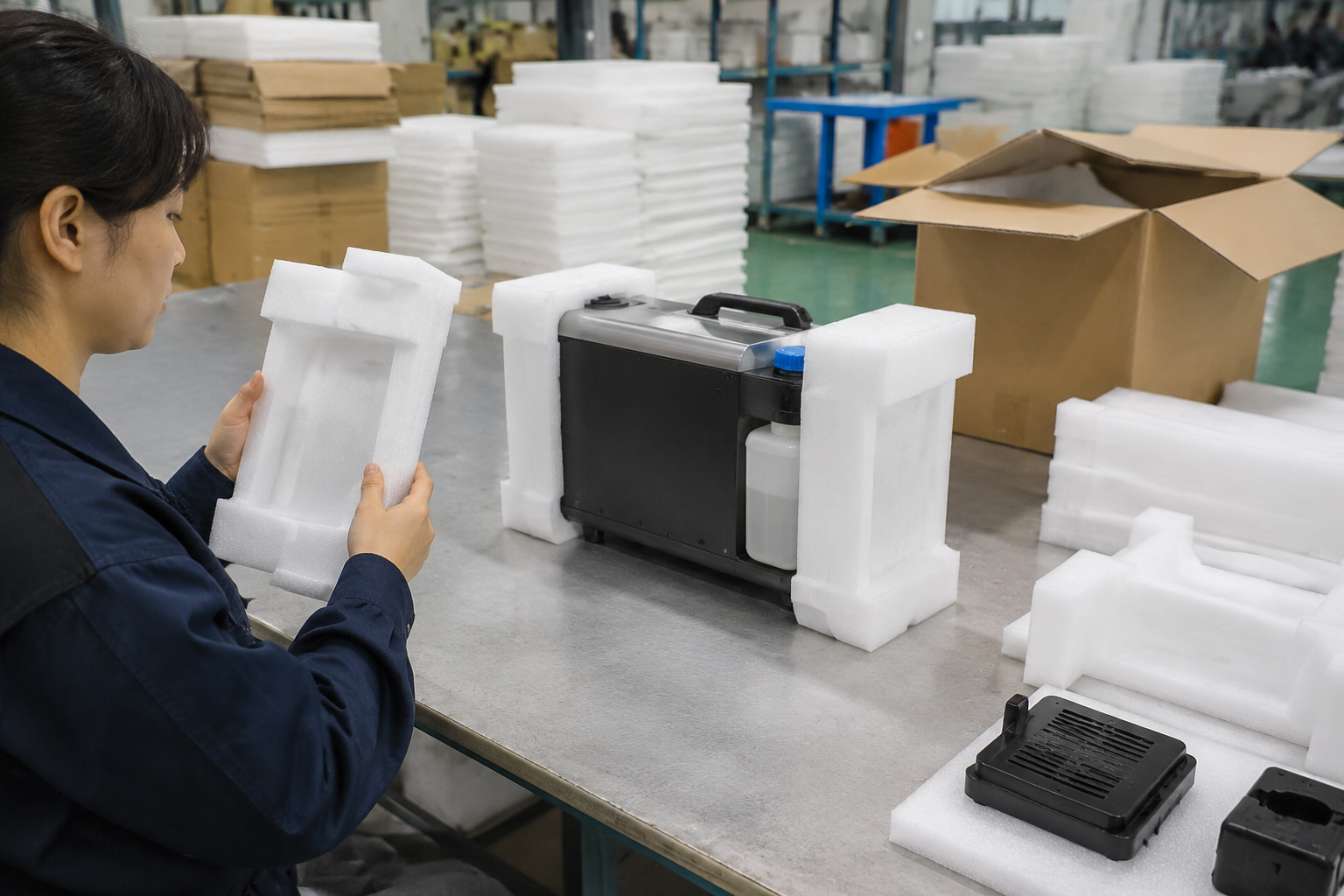
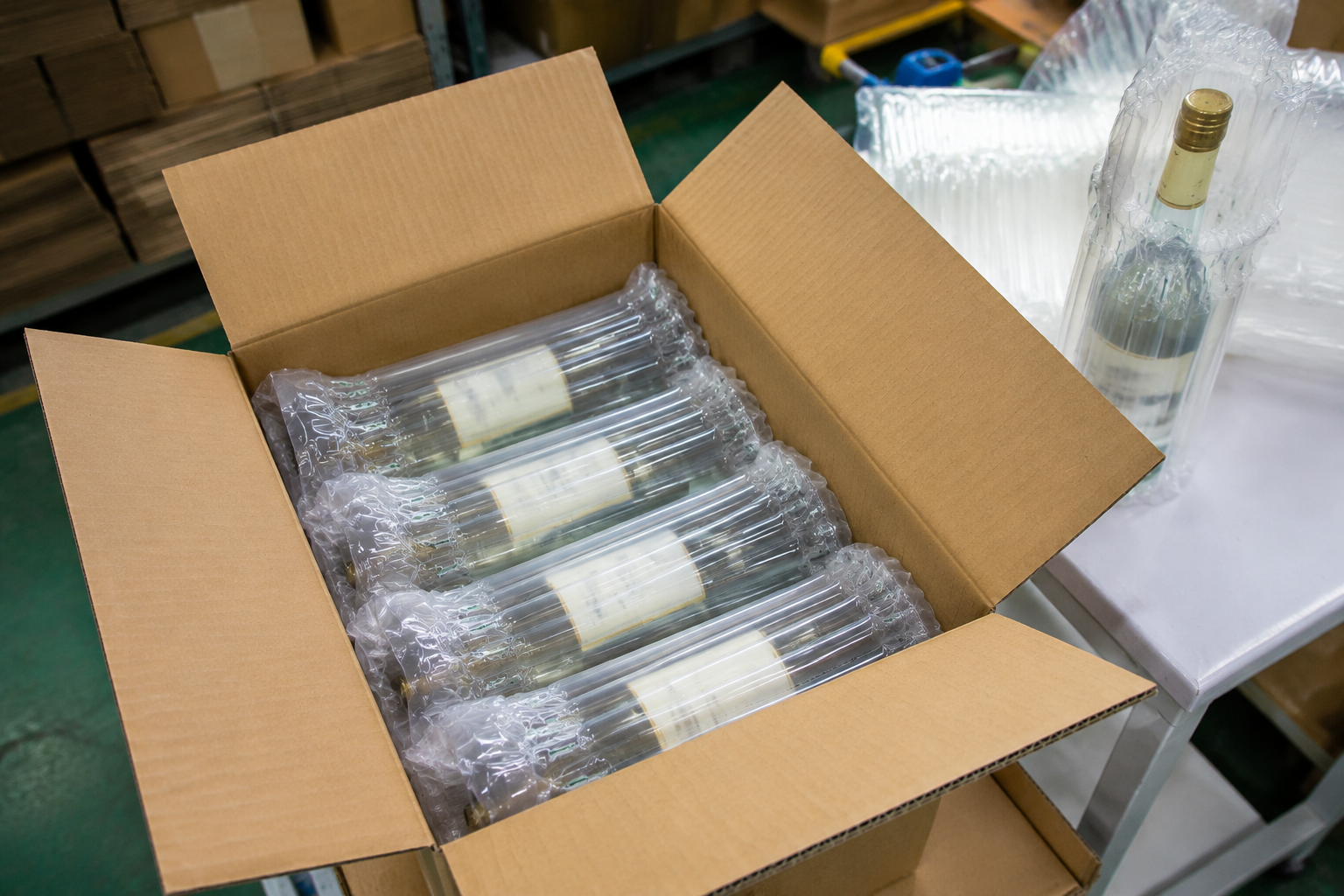
Choosing between void fill, cushioning, and surface protection is less about the material name and more about the protection job your product actually needs....
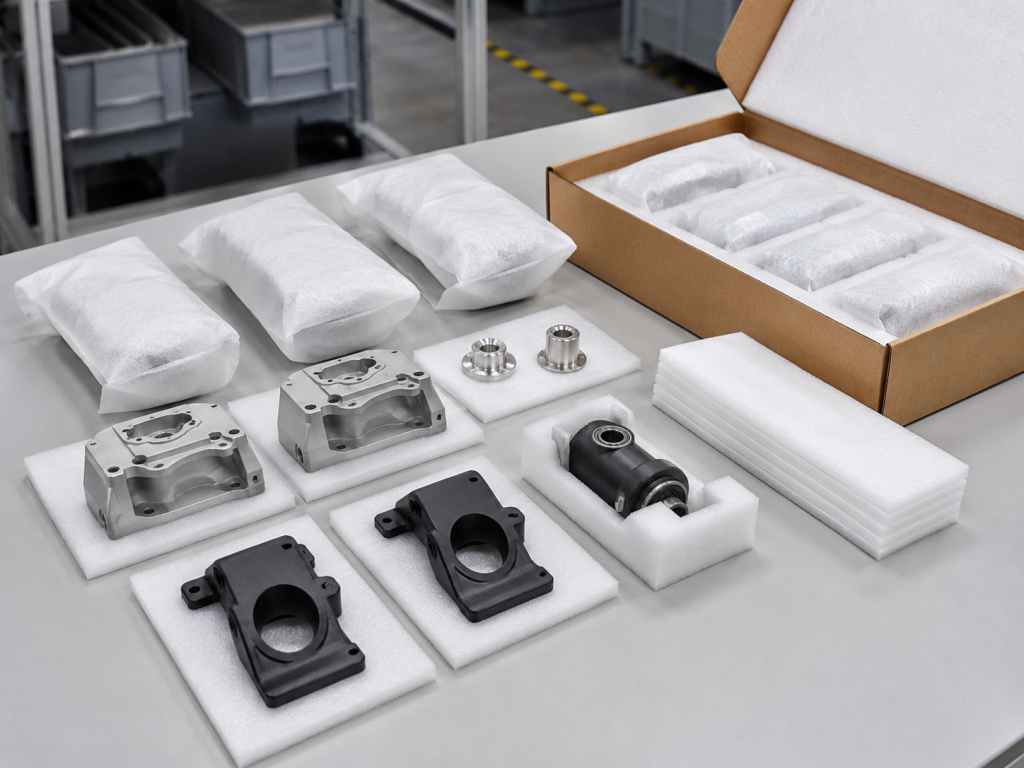
Industrial parts packaging decisions often fail when the carton looks strong but the parts still rub, shift, crack edges, or arrive with surface marks....
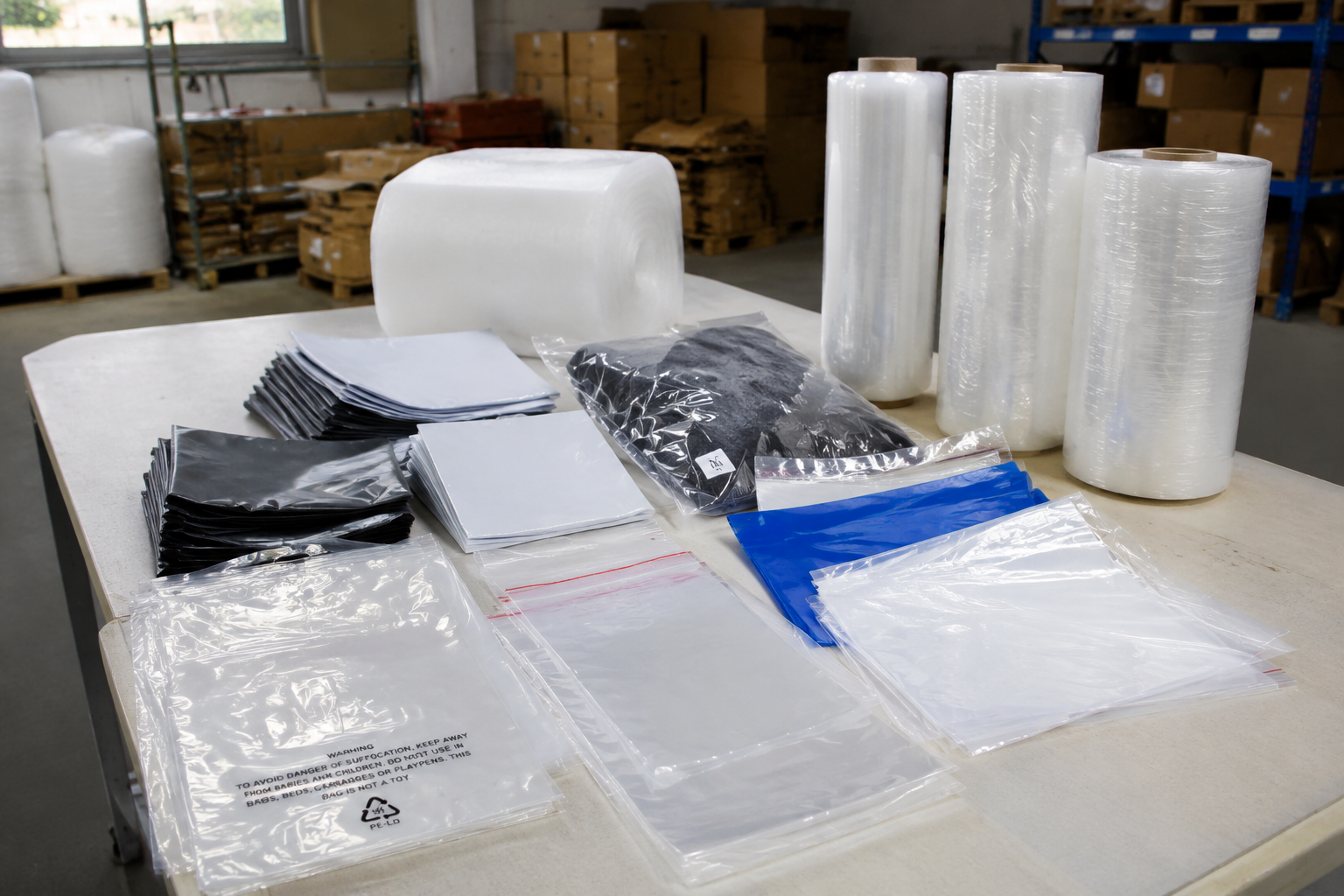
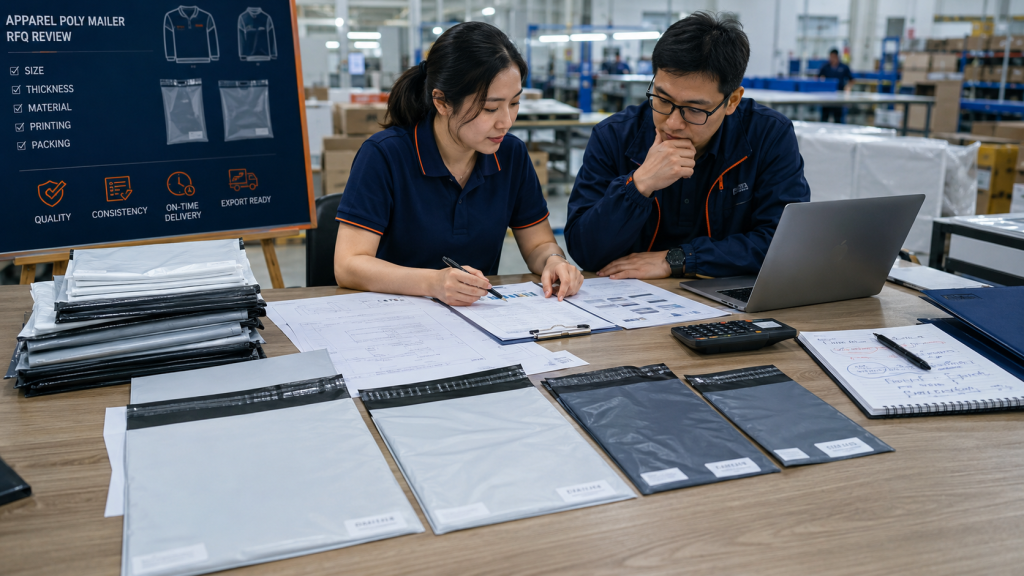
Plastic bags and film packaging are useful only when the specification matches the job: inner protection, product organization, parcel shipping, carton lining, or pallet...
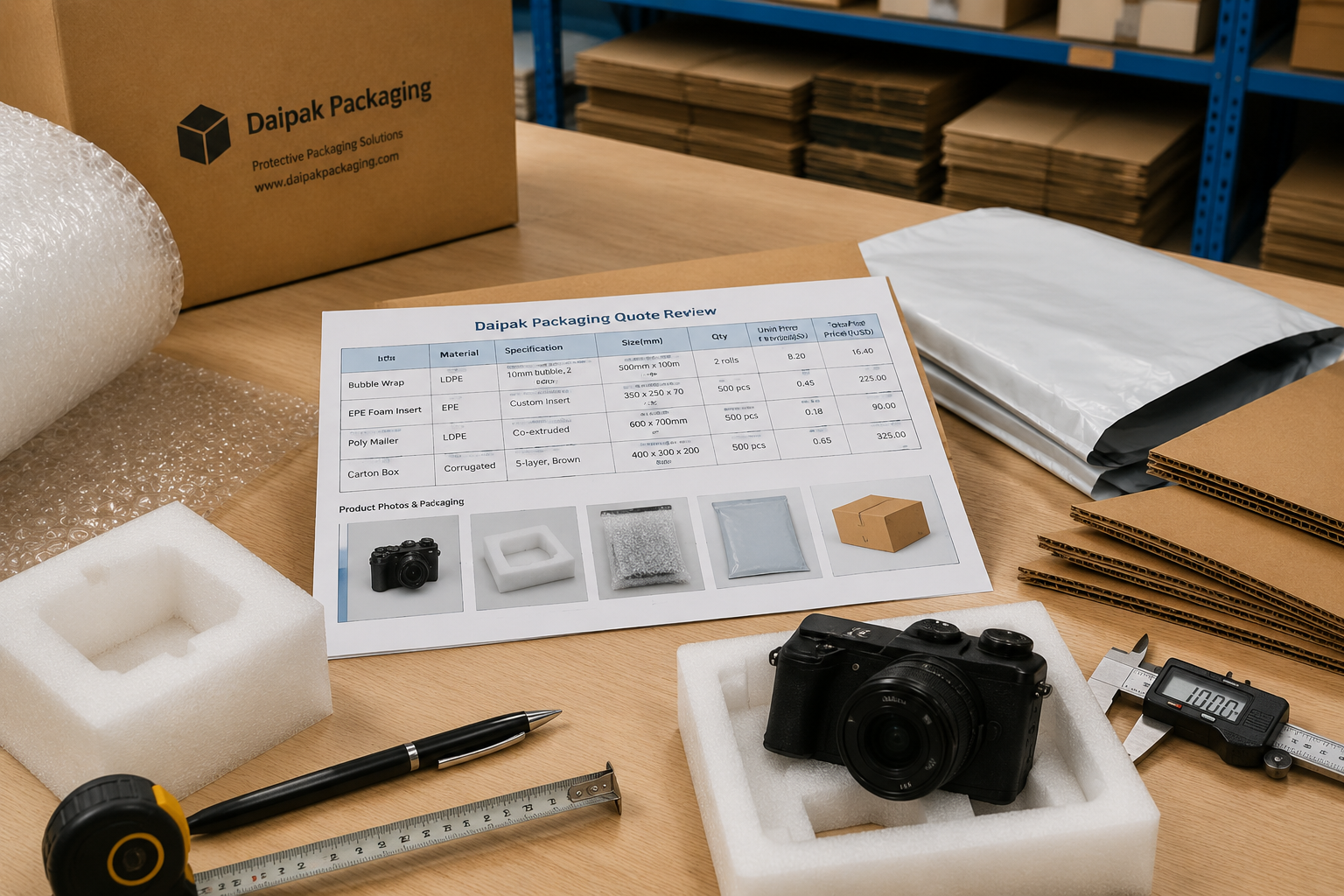
An accurate packaging quote from a China packaging supplier depends on much more than a product name or photo. Size, weight, shape, fragility, surface...
Articles published in Daipak's resource categories keep this reading area close to current buyer questions. New categories become useful as soon as they have enough practical notes.
For a mixed warehouse replenishment order, the risk is not only whether bubble bags, printed poly mailers, and corrugated boxes are made correctly. The...
When exporting bulk goods, the wrong corrugated box specification can lead to crushed loads, rejected shipments, and unexpected costs that spiral higher than expected....
Export palletizing for packaging materials is not only a warehouse step; it affects freight cost, carton strength, handling risk, and receiving accuracy. Bulky lightweight...
Packaging guidance should start with the buying problem, not just the material name.
Packaging decisions rarely begin with a single product category. Most overseas buyers arrive here because a shipment was damaged, a quote is hard to compare, a sample does not match the approved version, or a warehouse team needs faster packing without adding carton waste.
Daipak organizes these resources around those real buying moments, so a packaging material, supplier quote, sample approval, and export packing plan can be judged together.
Match the guide path to the order risk.
A sourcing manager, warehouse team, and brand owner will use this page differently. This map keeps the decision practical: problem, starting point, next check, and Daipak evidence.
Impact risk, product movement inside the carton, surface scratches, void fill, and whether the product needs foam, bubble wrap, air columns, or corrugated inserts.
Factory capability, sample consistency, quality workflow, export experience, communication records, and whether the supplier can support repeat orders.
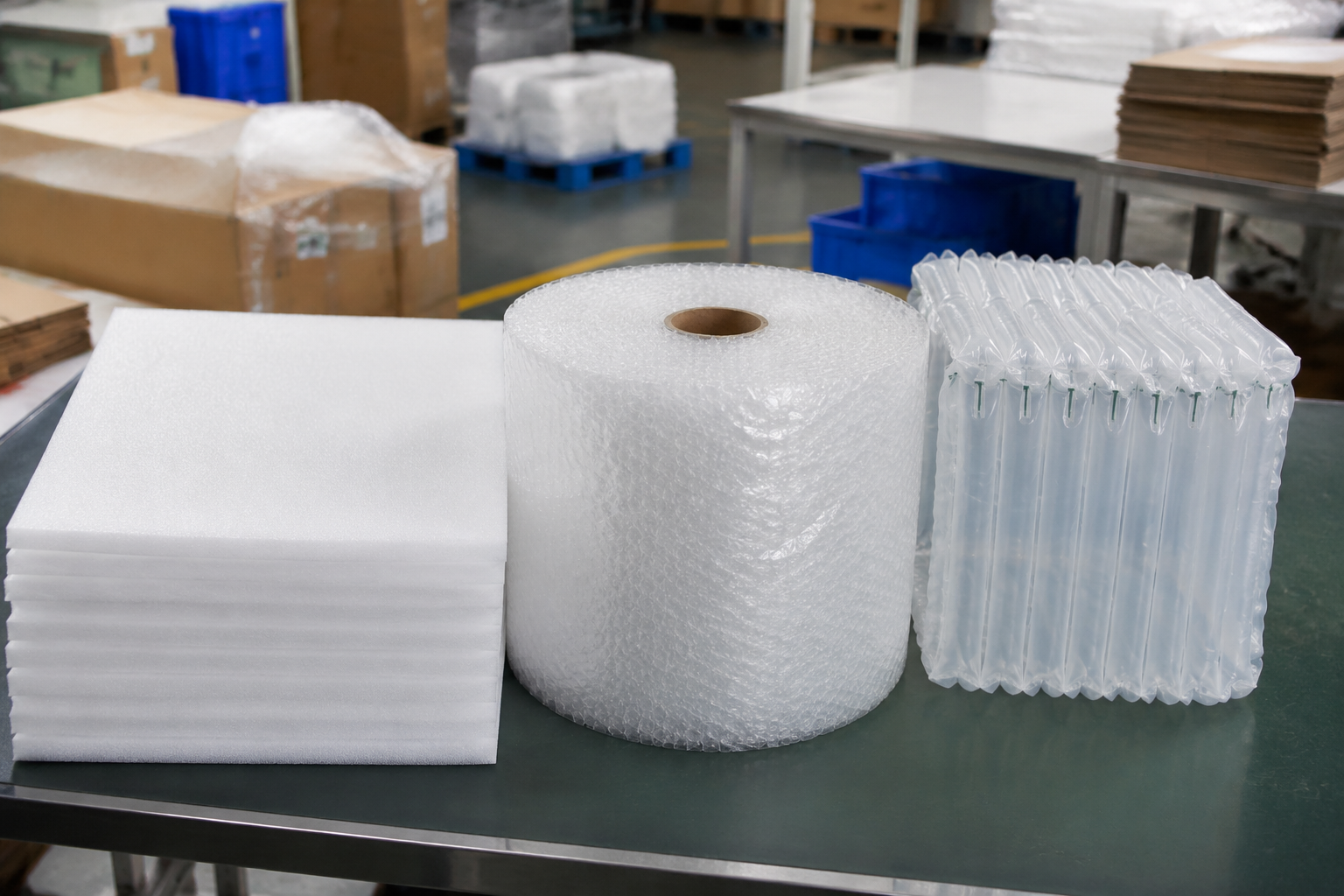
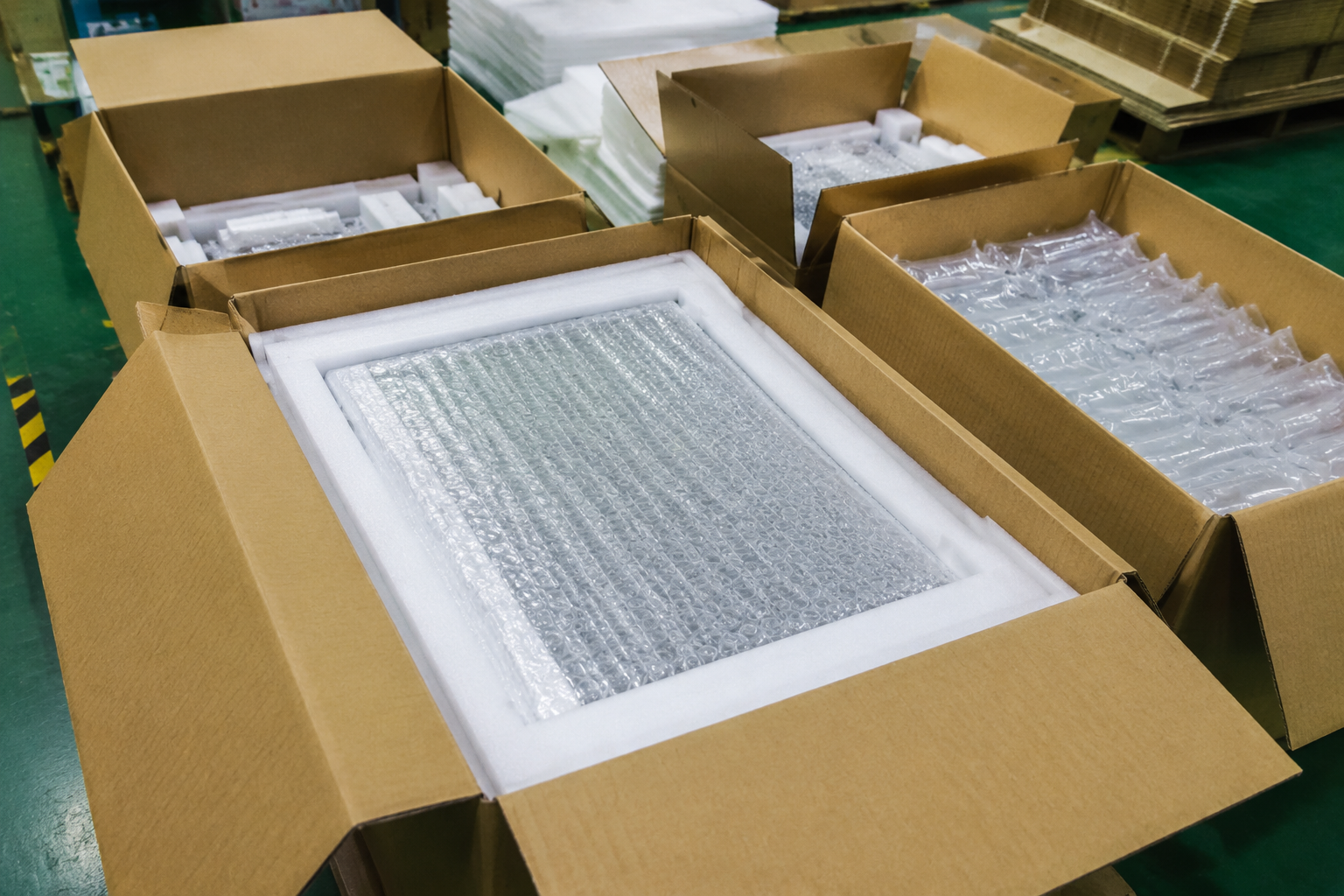
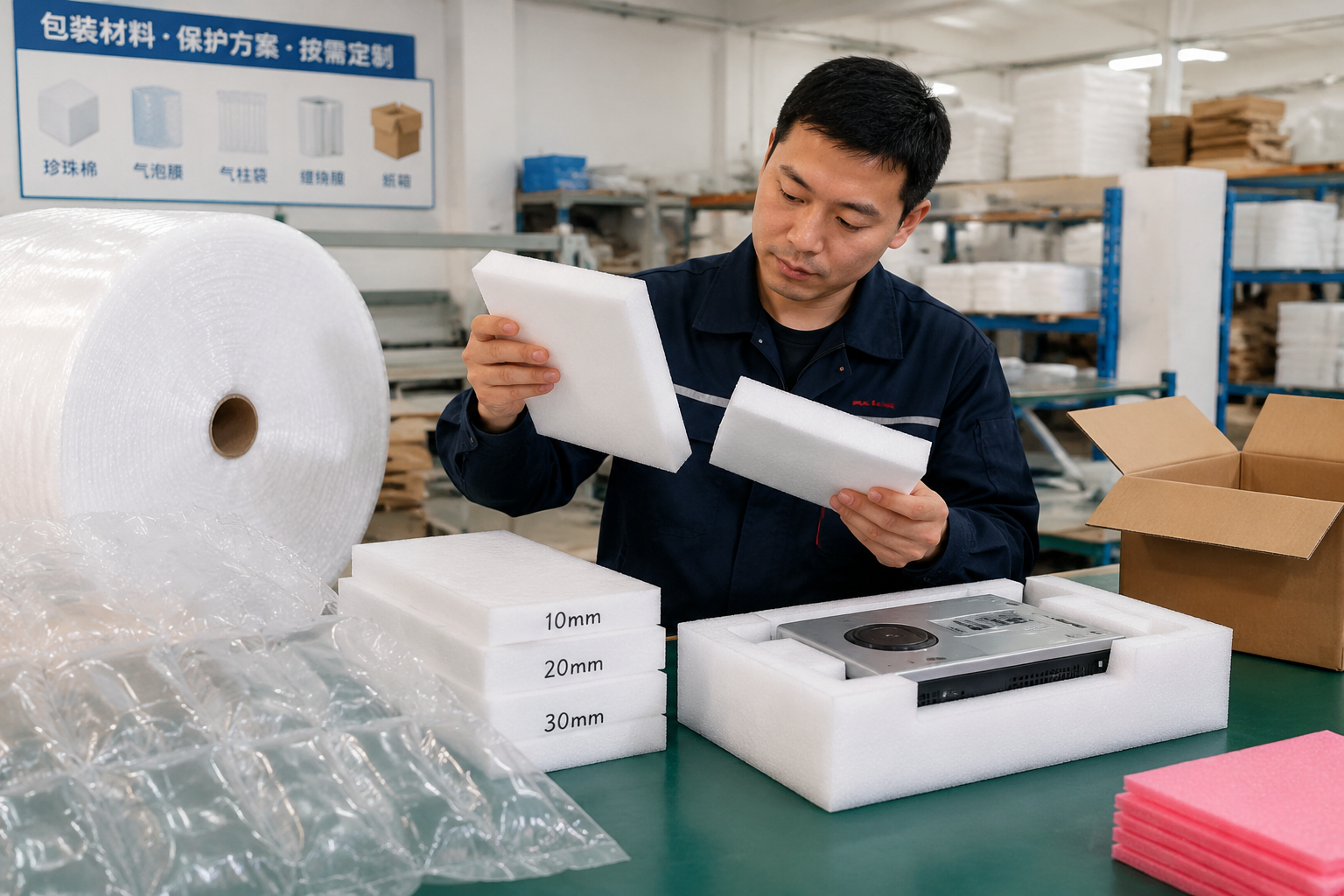
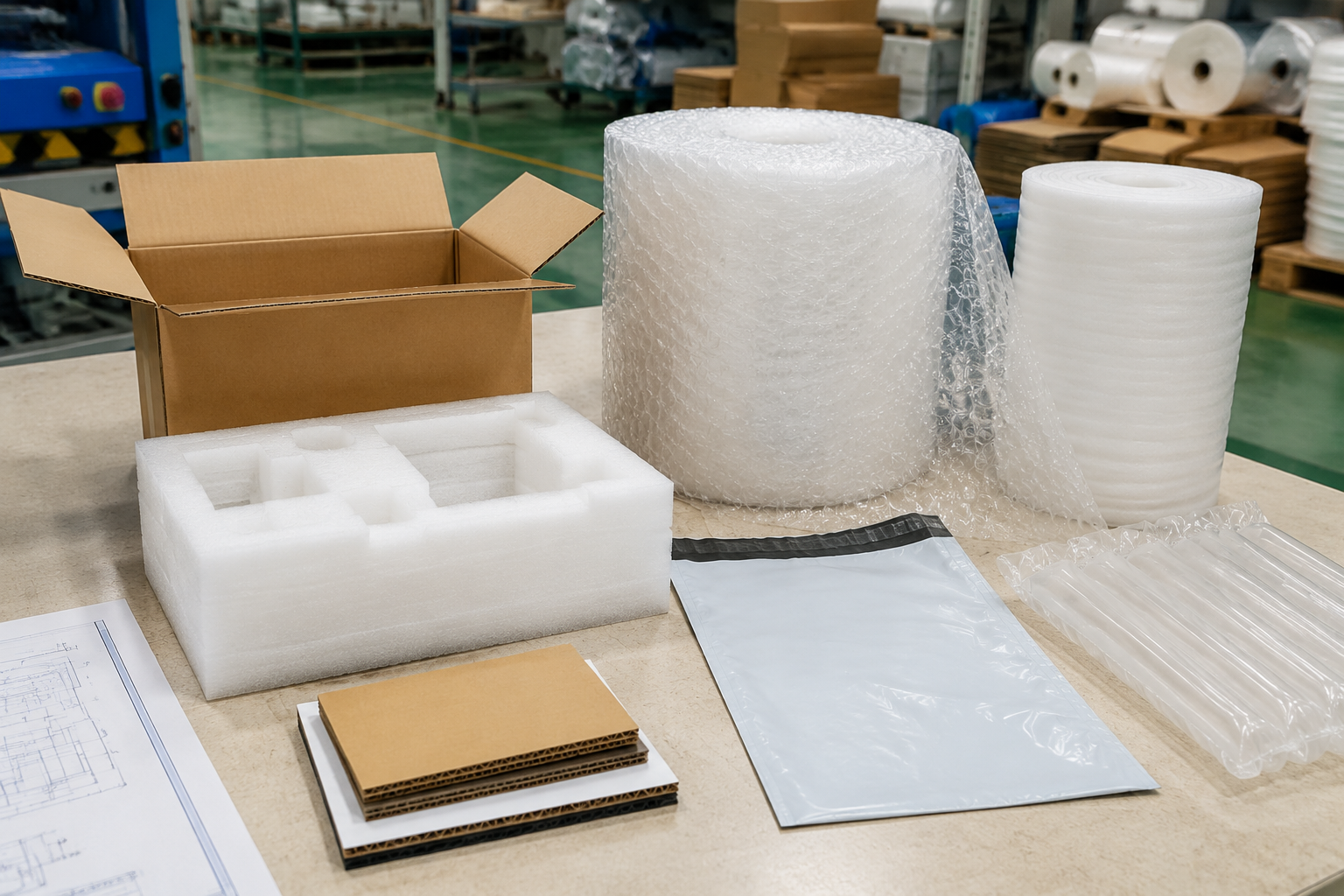
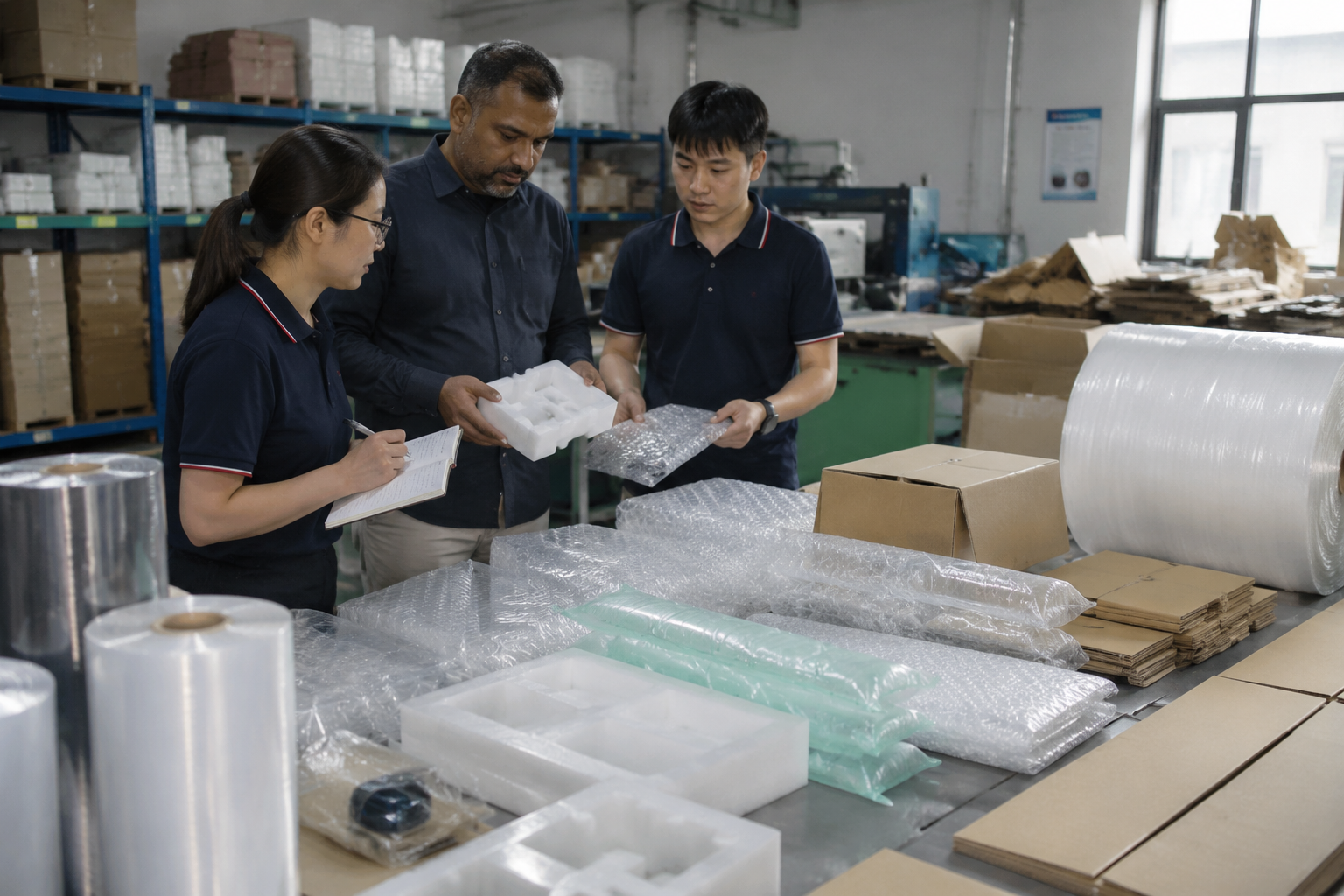
Daipak's guides cover the main protective packaging materials used by overseas buyers sourcing from China. The right material depends on product weight, fragility, surface finish, packing method, warehouse speed, shipping distance, and budget.
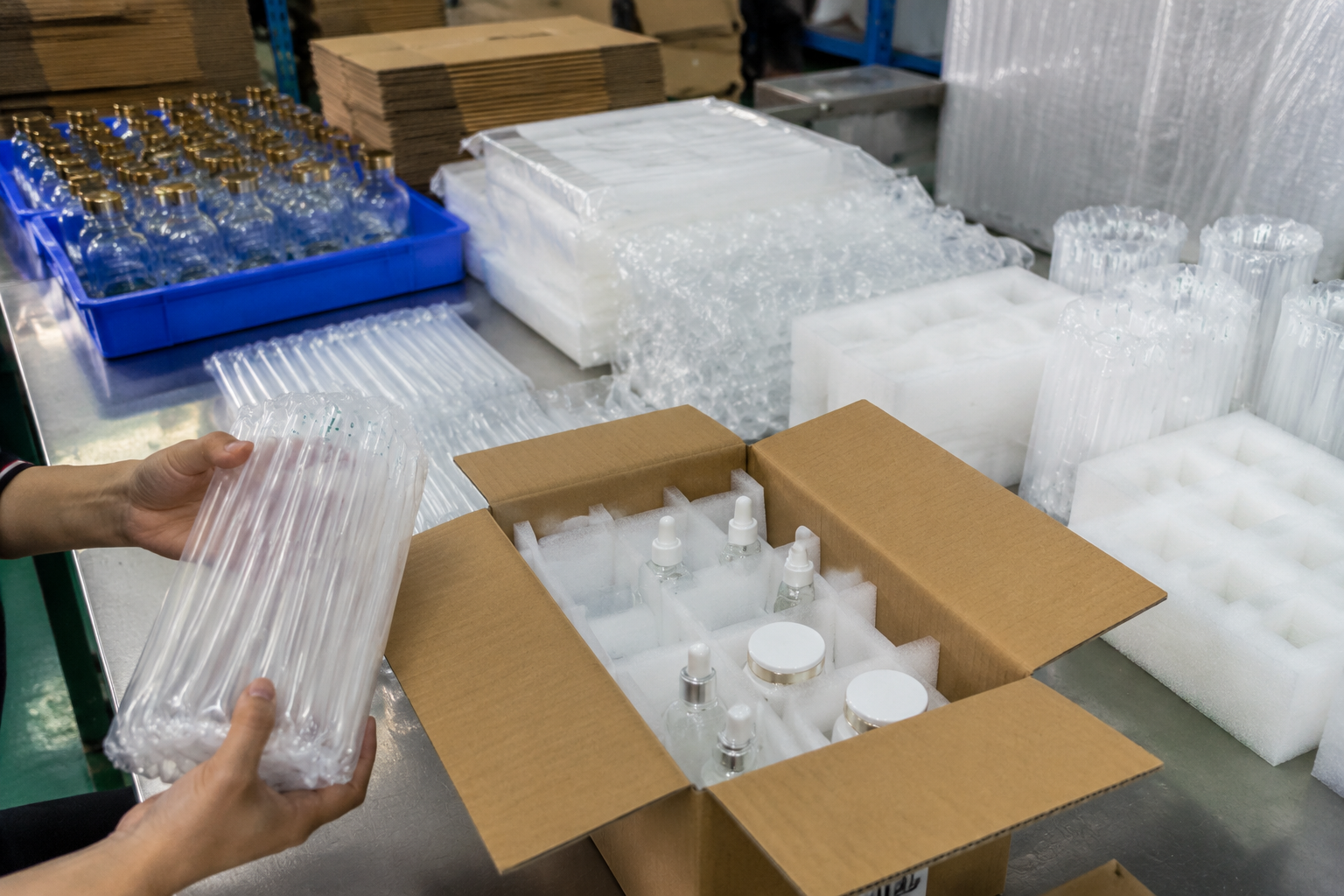
A buyer shipping glass bottles will not evaluate packaging the same way as a buyer packing apparel, electronics accessories, hardware parts, or subscription boxes. These resources help buyers move from a general material name to a clearer packaging specification.
What to prepare before asking for a packaging quote
An accurate packaging quote starts with a clear buying brief. A supplier can quote faster when the buyer provides product dimensions, product weight, photos or drawings, packaging purpose, expected quantity, material preference, thickness or strength requirement, printing details, packing method, destination, and sample expectations.
Before comparing unit prices, buyers should make sure each quote is based on the same material, size, tolerance, printing method, packing method, lead time, and shipment terms.
Why supplier reliability matters in packaging orders
Packaging quality is often judged too late. Many problems appear only after the goods reach the warehouse: cartons deform, foam inserts do not fit, printed colors shift, bags tear at the seal, or pallet packing does not match the export plan.
For overseas buyers, supplier evaluation should go beyond price. Factory capability, sample consistency, quality control workflow, communication records, export experience, and after-sales handling all affect the real cost of a packaging order.
Packaging resource questions buyers often ask
What is the best way to start choosing packaging materials?
Start with the product risk, not the material name. Check whether the product needs cushioning, surface protection, void fill, moisture protection, carton strength, branding, or export pallet support. Once the function is clear, it becomes easier to compare bubble wrap, air cushion packaging, EPE foam, plastic film, corrugated boxes, and custom inserts.
When should a buyer compare packaging materials before asking for a quote?
Compare materials first when the product is fragile, irregular in shape, high value, easily scratched, or expensive to ship. A quote is only useful when the material and specification are close to the real packing requirement. If the buyer is still choosing between foam, bubble wrap, air columns, or corrugated inserts, comparison should come before price negotiation.
What information does Daipak need for an accurate packaging quote?
Daipak needs the product size, product weight, photos or drawings, packaging purpose, material preference, order quantity, printing requirement, packing method, destination, and sample requirement. For custom packaging, details such as tolerance, artwork files, carton packing quantity, and expected shipping method also affect the quote.
How can overseas buyers reduce packaging quality problems?
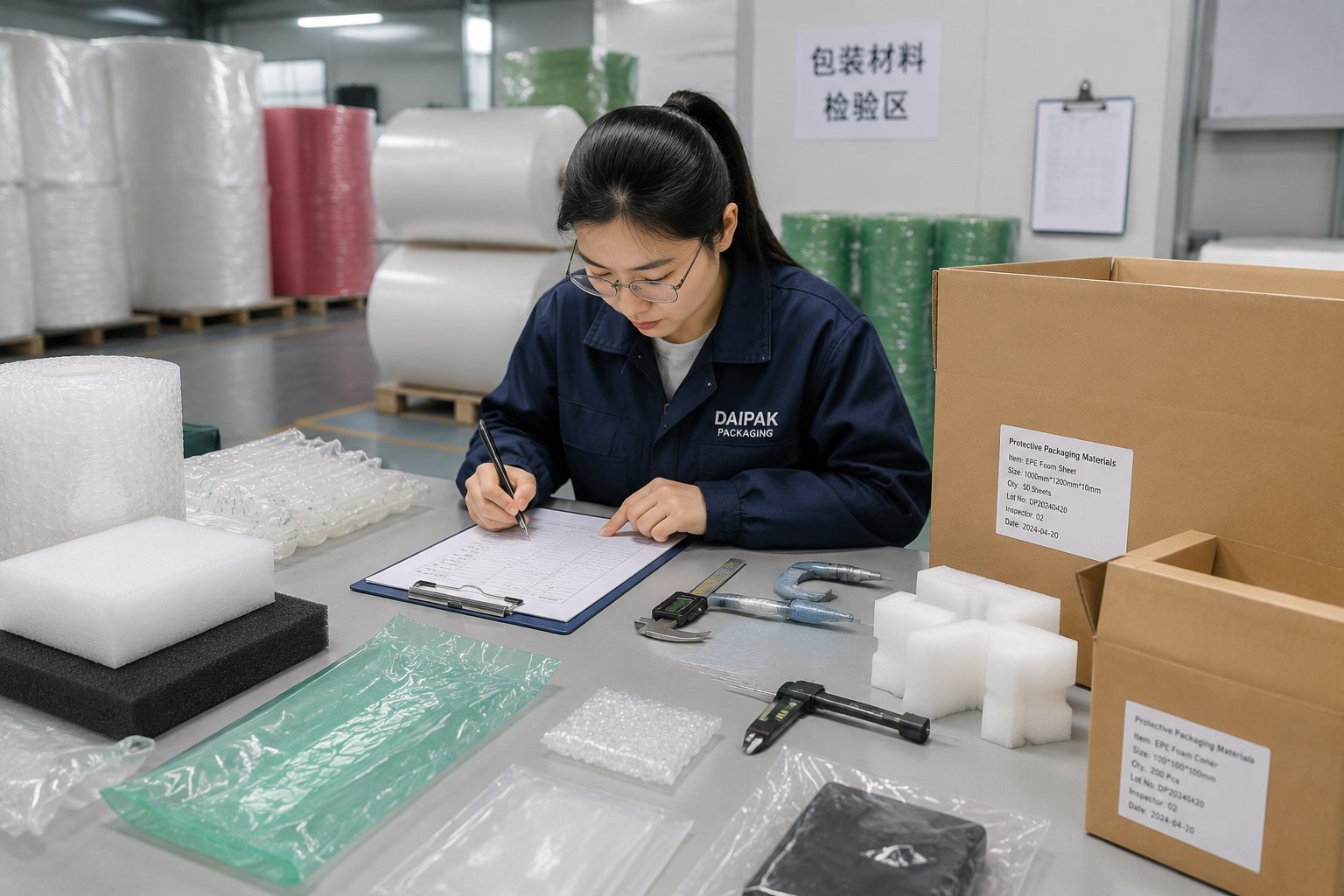
Buyers should confirm specifications before sampling, approve a physical or production sample, define inspection points, and keep written records of dimensions, material, thickness, printing, sealing, carton packing, and shipment requirements. Quality control is easier when the approved sample and bulk production standard are clearly connected.
Which Daipak guide should I read first?
Read the material guides if you already know the packaging category. Read the product comparison guides if you are choosing between several materials. Read the supplier guides if you are evaluating a China packaging supplier. Read the quotation and quality guides if you are preparing an RFQ, checking samples, or comparing quotes. Read the export packaging guides if carton packing, palletizing, labels, or shipment preparation are the main concern.
Have a packaging question tied to a real order?
Send Daipak the product size, weight, quantity, photos, material preference, destination, and packing goal. The team can help turn the buying problem into a clearer packaging specification.
Need a clearer packaging quotation? Learn what product details, sizes, quantities, photos, and shipping information to provide.
Core Packaging Guides
Start with these cornerstone guides before reading more specific packaging articles. These guides organize Daipak’s main knowledge around supplier sourcing, custom packaging, materials, product protection, quality control, quotations, and export packing.
Buyer Resource Path
How to Use These Guides
01
Choose your packaging problem first: sourcing, material selection, custom packaging, protection, quotation, or export packing.
02
Open the related cornerstone guide to understand the main decision points before reading more specific cluster articles.
03
Prepare product size, weight, photos, order quantity, packing method, and destination before requesting a quote.